Screen Reader
A+
A
A-
Scientific profiles, active bioactives, medicinal properties, and commercial value of major spice crops.
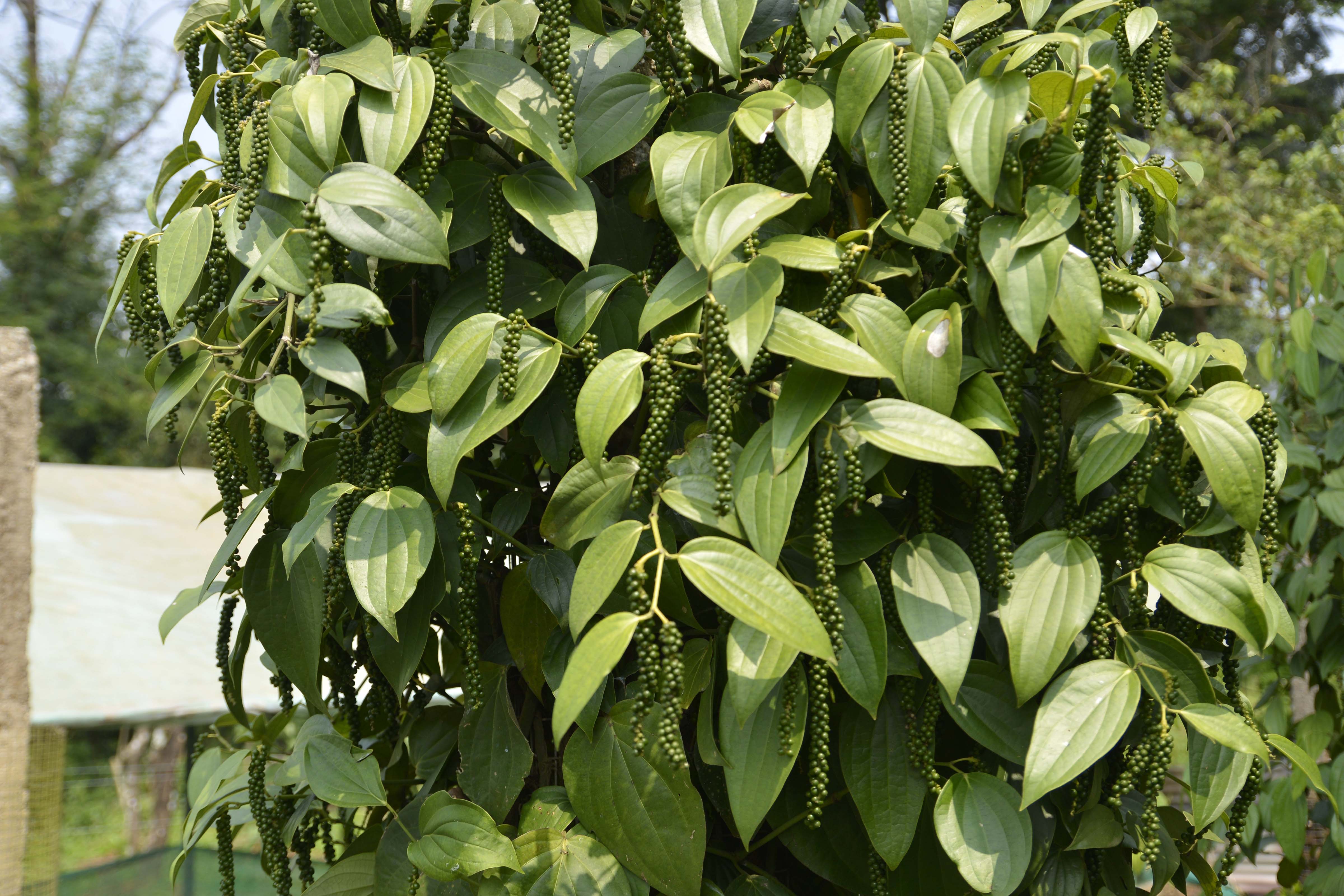
The world's most traded spice by volume, native to Keralam's tropical evergreen forests. Rich in piperine (4–7%), with potent antioxidant, antimicrobial, and bioavailability-enhancing properties.
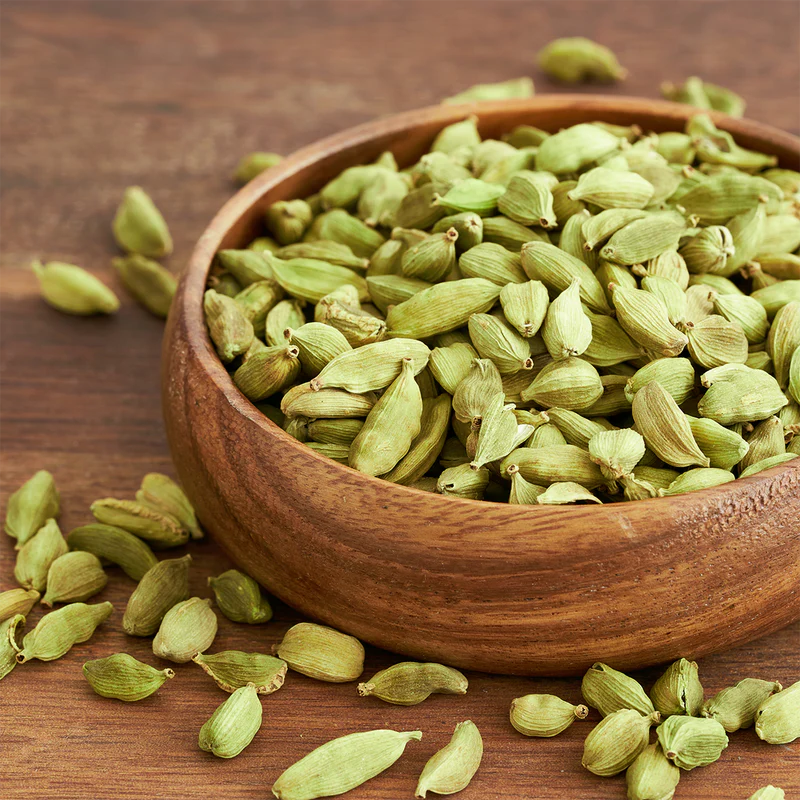
The world's third most expensive spice, native to Keralam's Western Ghats. Contains 4–8% essential oil (mainly 1,8-cineole). Prized in culinary, pharmaceutical, and perfumery industries.
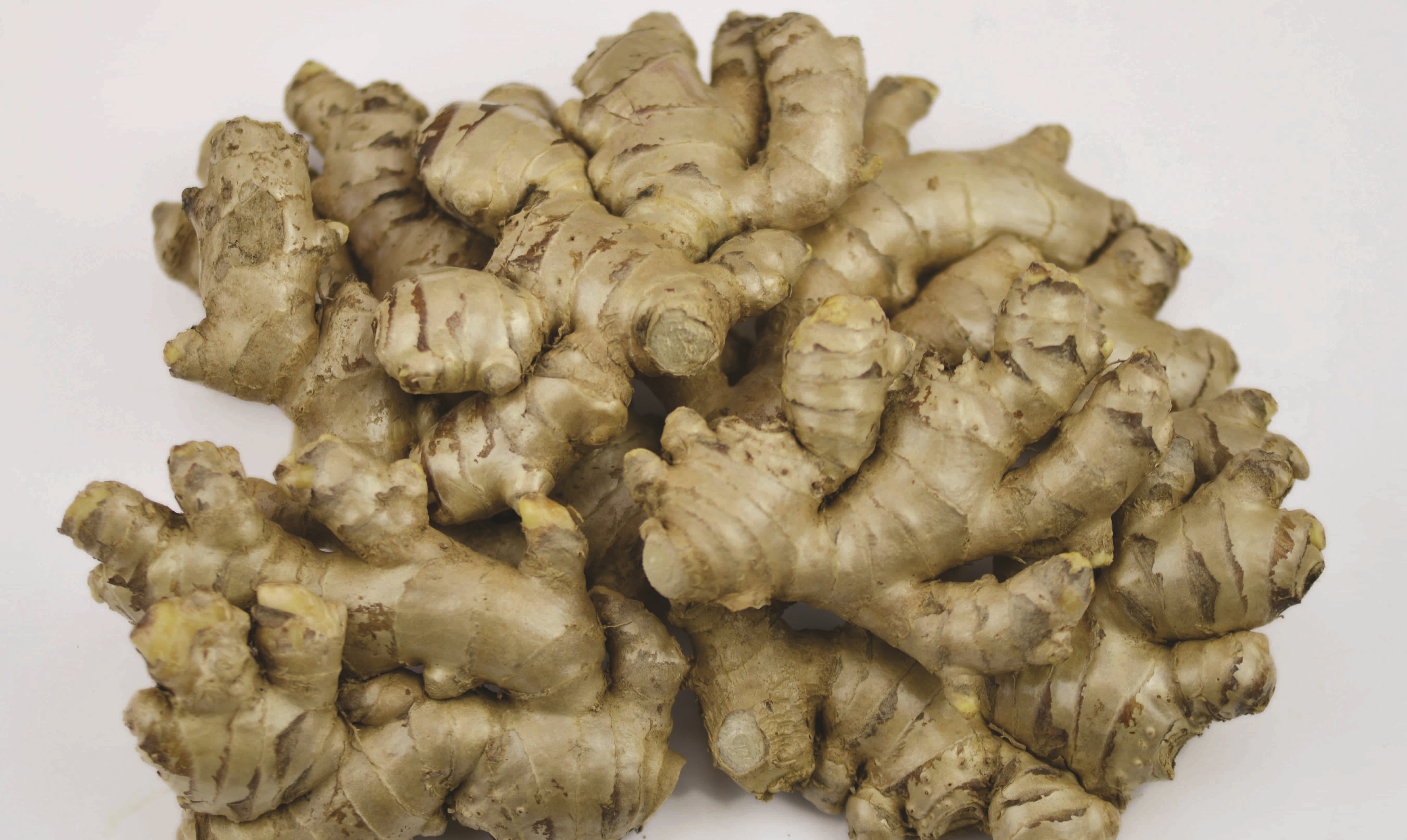
The world's most widely used spice and condiment. Pungency due to gingerols and shogaols; aroma from volatile oils. Key raw material for ginger oil, oleoresin, and pharmaceutical preparations.
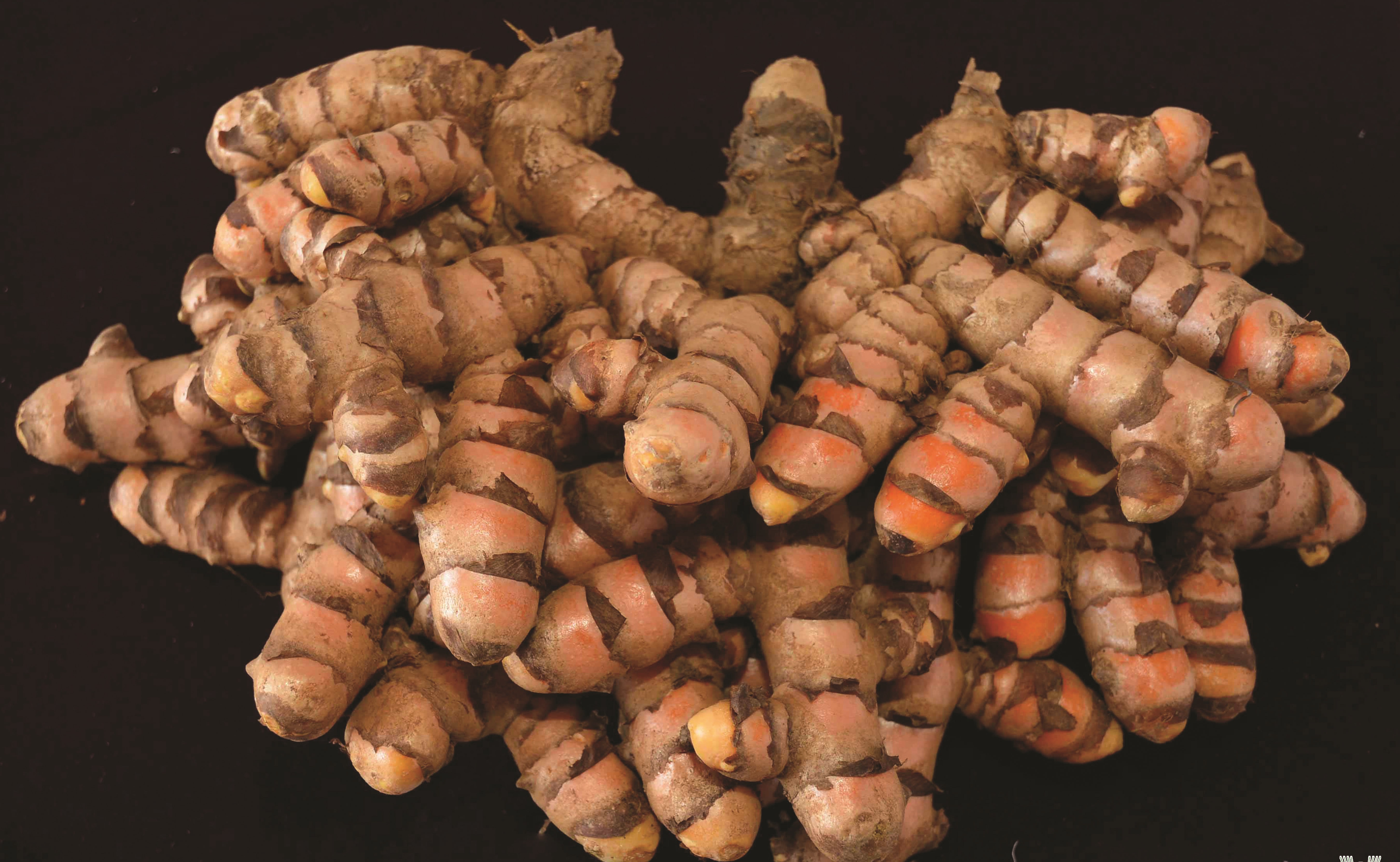
India's golden spice — the world's largest producer and exporter. Curcumin (2–5%) delivers potent anti-inflammatory, antioxidant, and potential anticancer properties widely studied in research.
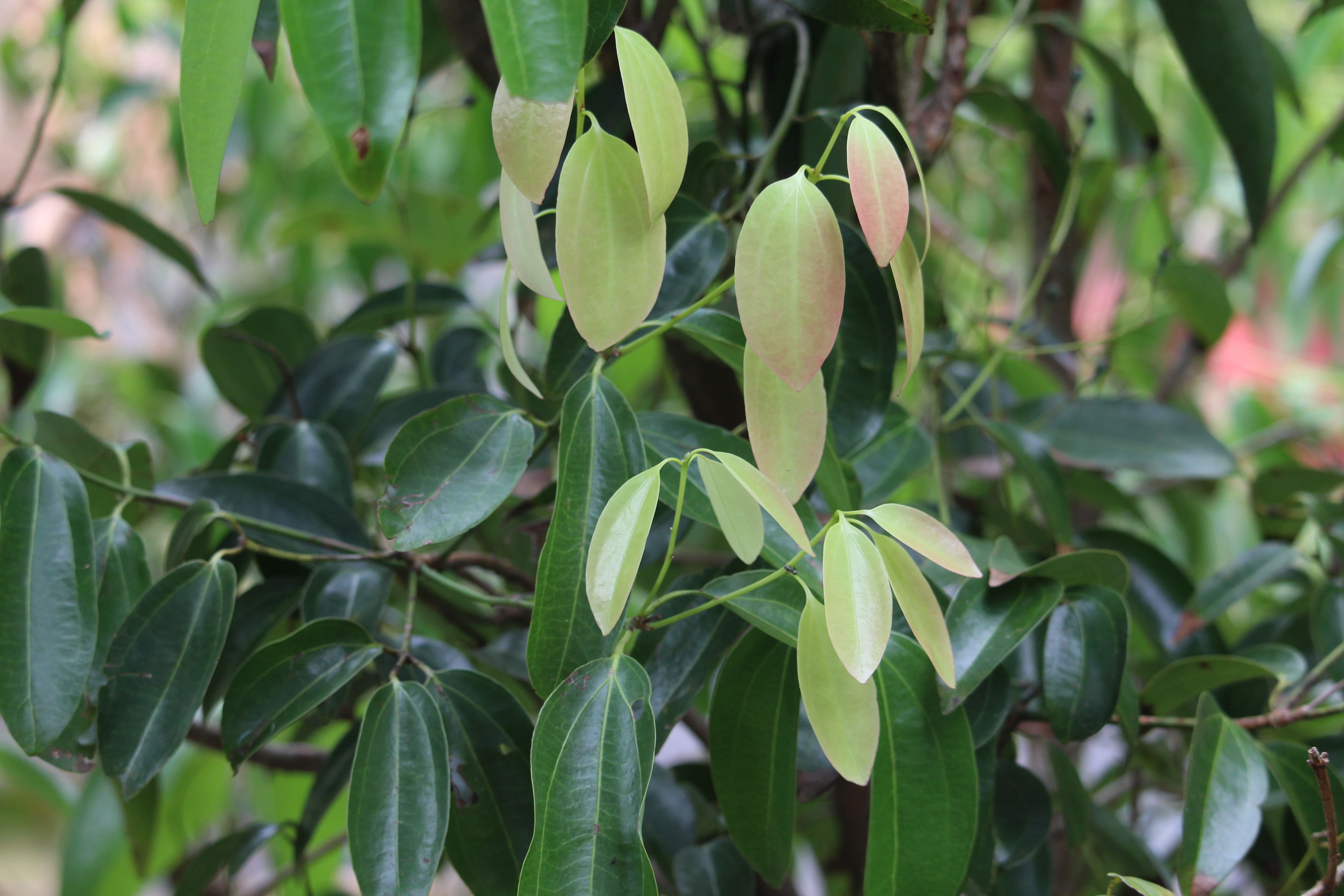
One of the oldest and most prized spices in history. Cinnamaldehyde (60–80% of EO) gives its warm, sweet character. Widely used in food, perfumery, and pharmaceutical industries.
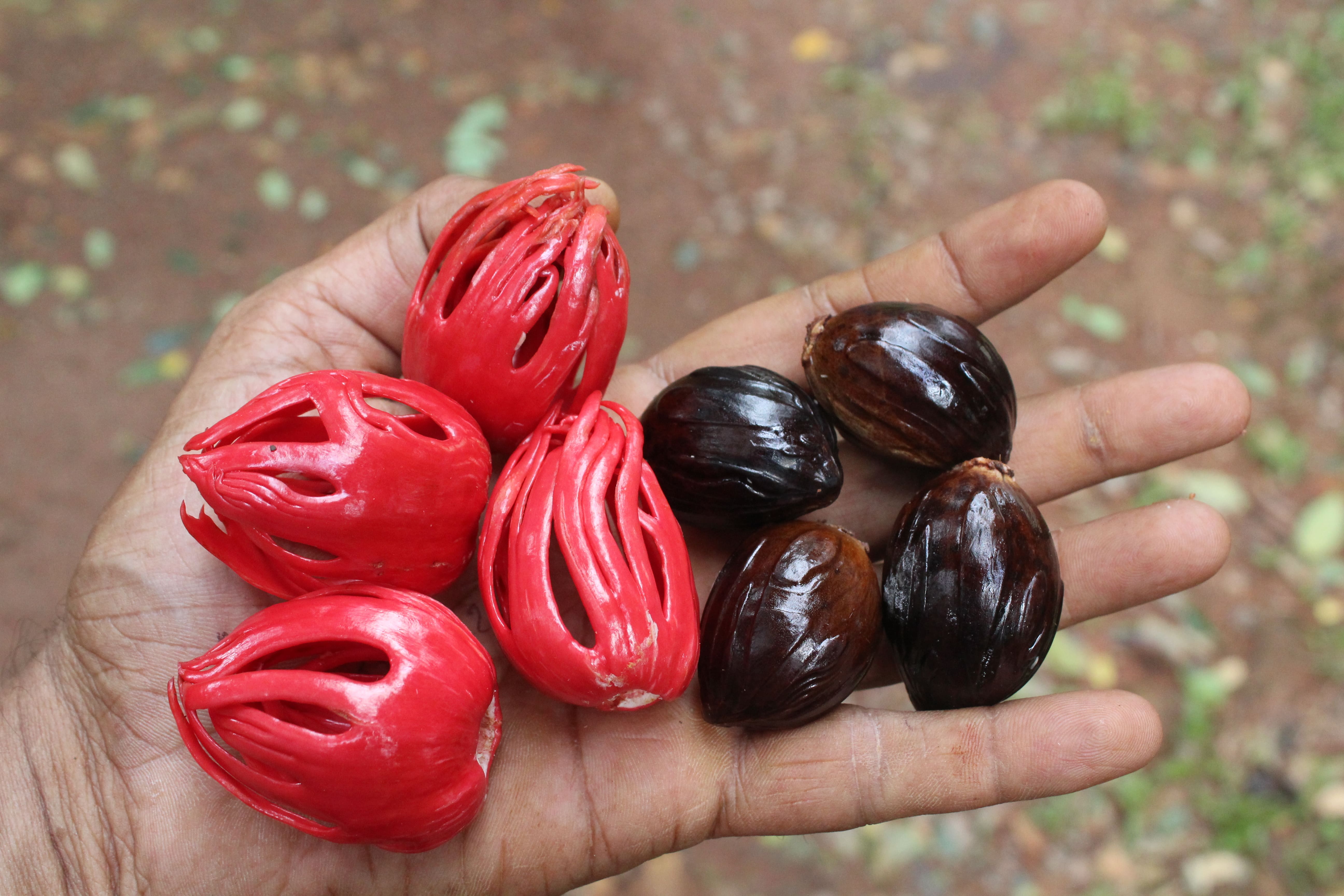
Two distinct spices from a single fruit — the seed kernel (nutmeg) and lacy red aril (mace). Rich in myristicin and volatile oils (5–15%). Used in food, confectionery, and perfumery.
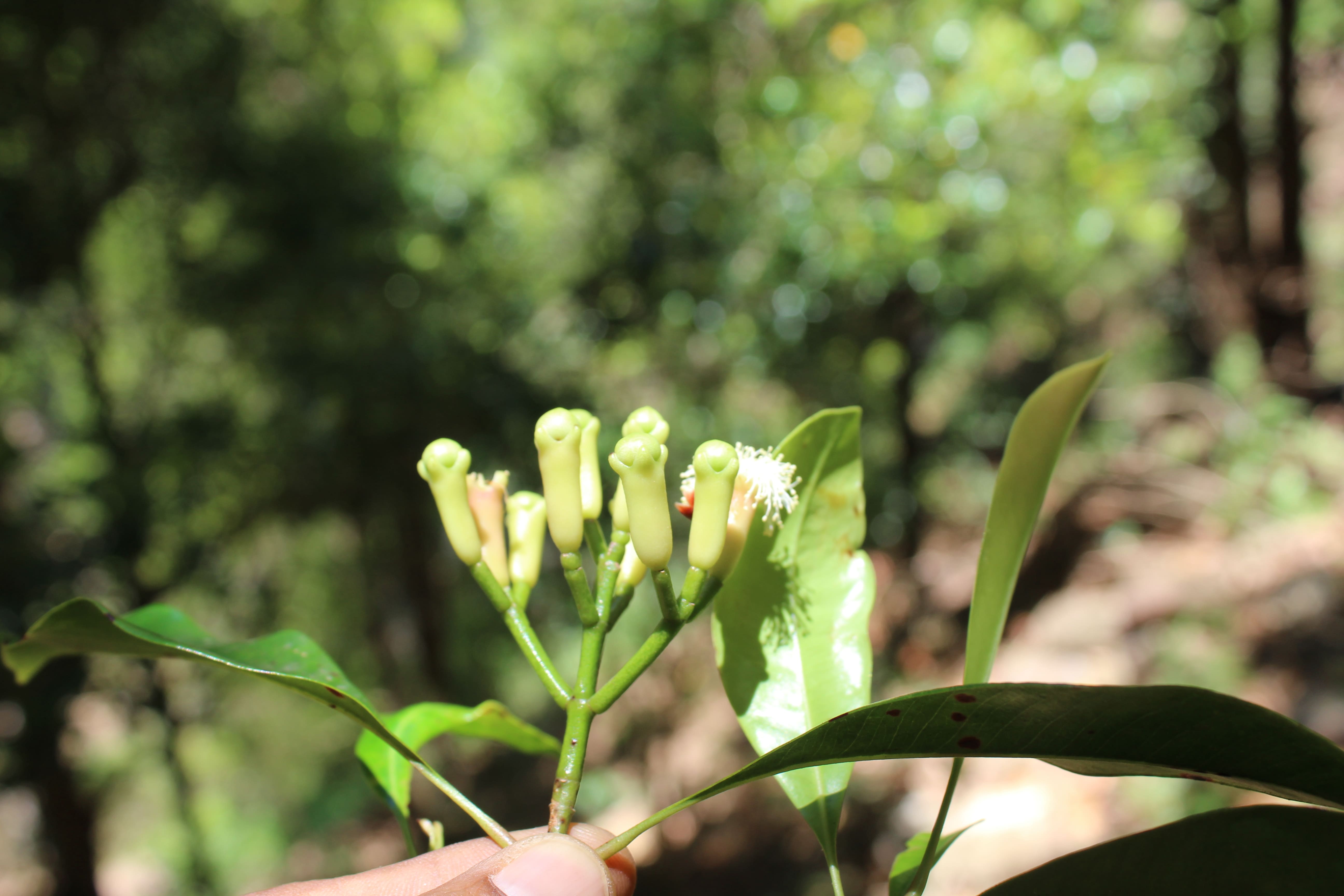
Among the world's most intensely aromatic spices from dried flower buds. Eugenol (72–90% of EO) underpins its analgesic, antiseptic, and antimicrobial power — a cornerstone of dental care.
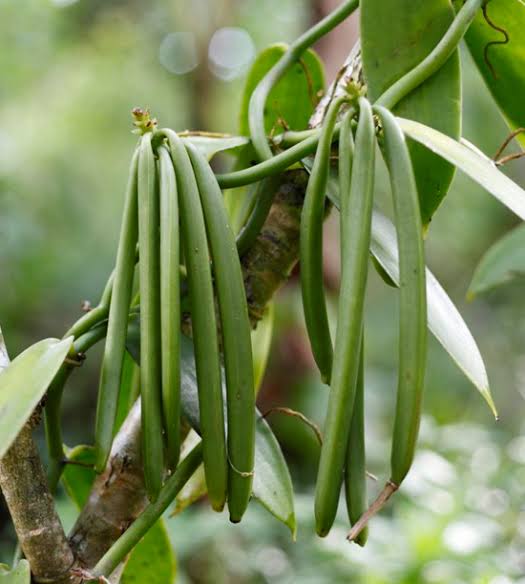
The only edible orchid fruit and the world's most popular flavouring ingredient. Vanillin (1.5–2.5%) develops through months of careful curing. Extensively used in food, perfumery, and pharma.
Named for its combined flavour of clove, cinnamon, and nutmeg. The only major spice native exclusively to the Western Hemisphere. Eugenol (65–80% of EO) delivers antimicrobial and analgesic activity.
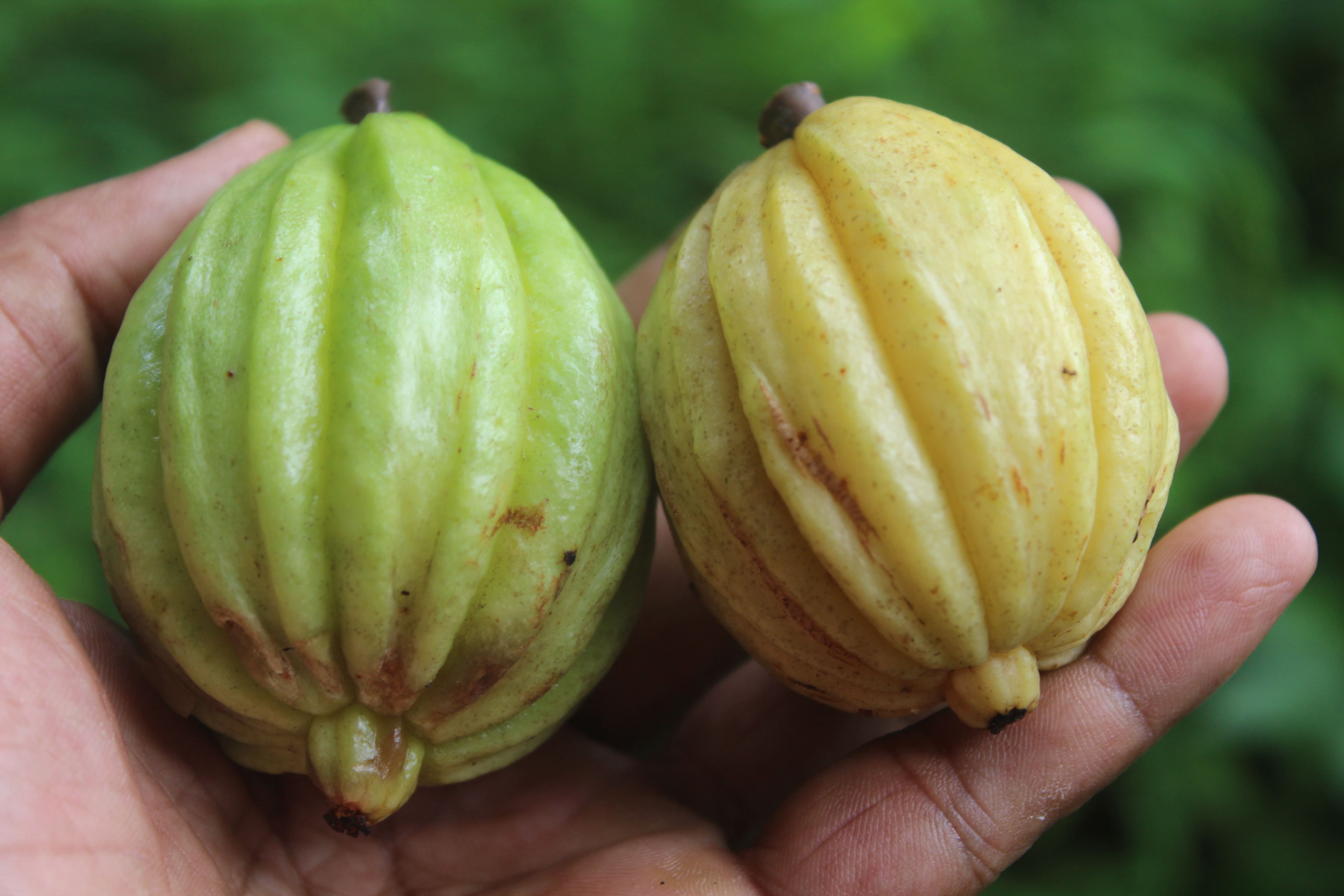
Keralam's native Malabar Tamarind, traditionally used as a souring agent in fish curries. Hydroxycitric acid (HCA, up to 30% in dried rind) is the key bioactive behind its global weight-management supplement market.
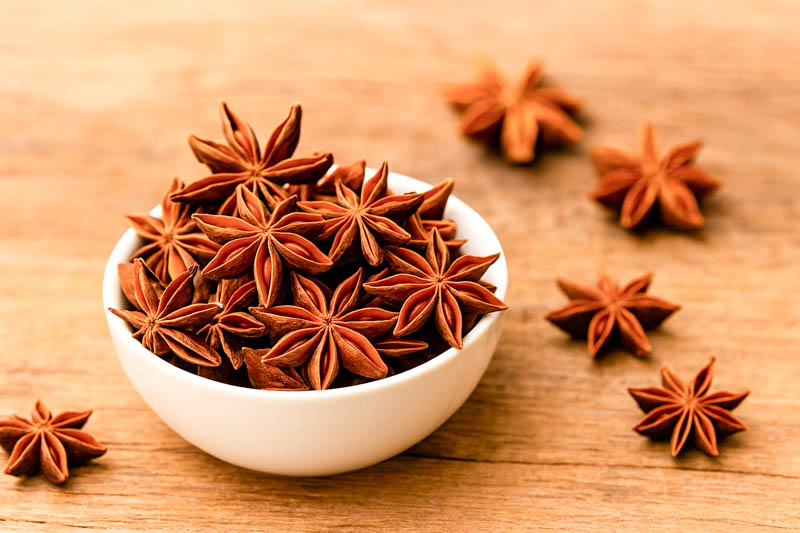
Star-shaped fruit native to mountainous rain-forests with a distinctive licorice flavour. Both seeds and husk used as condiment. Anethole (80–90% of EO) delivers antimicrobial activity and is a key pharmaceutical precursor.
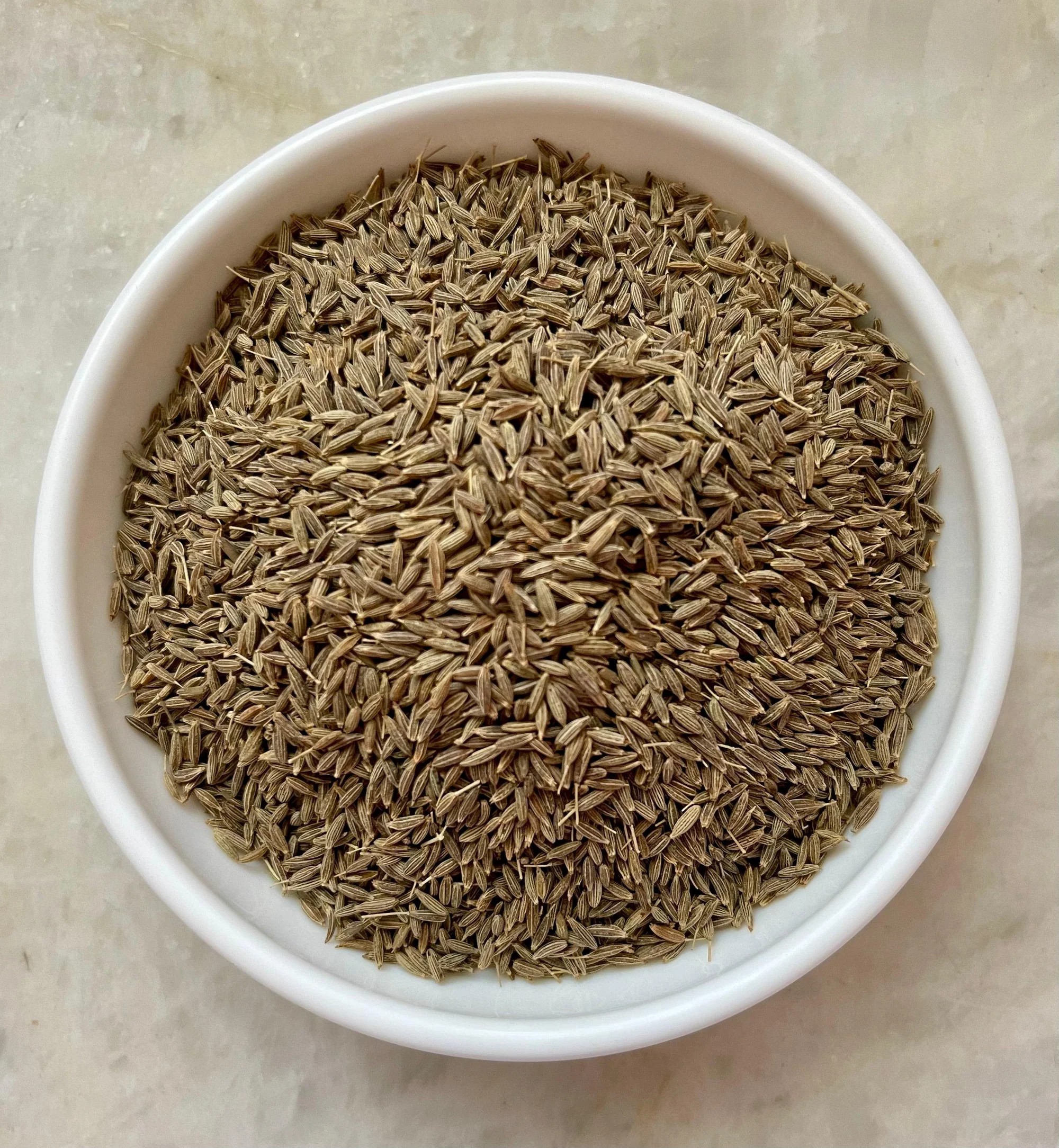
One of the most widely used spices in Indian cuisine with warm, earthy, and slightly bitter flavour. Used in curries, spice blends, pickles, and beverages. India is the world's largest producer and exporter of cumin.
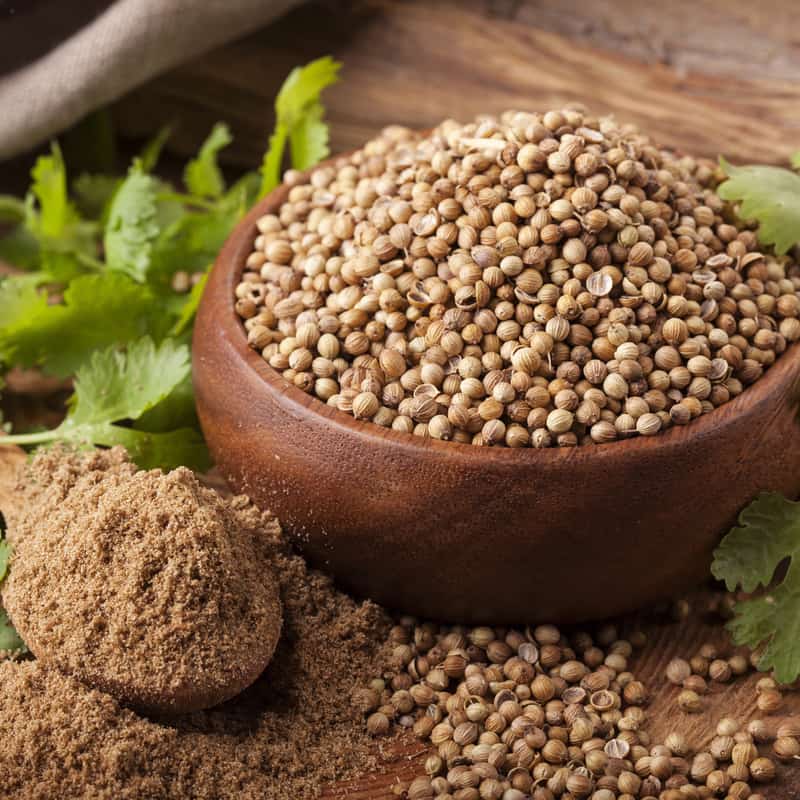
Cultivated for both its leaves (cilantro) and dried seeds. Seeds have a warm, citrus-like aroma; leaves used fresh as a culinary herb. Core ingredient in curry powders and spice blends. India leads global production.
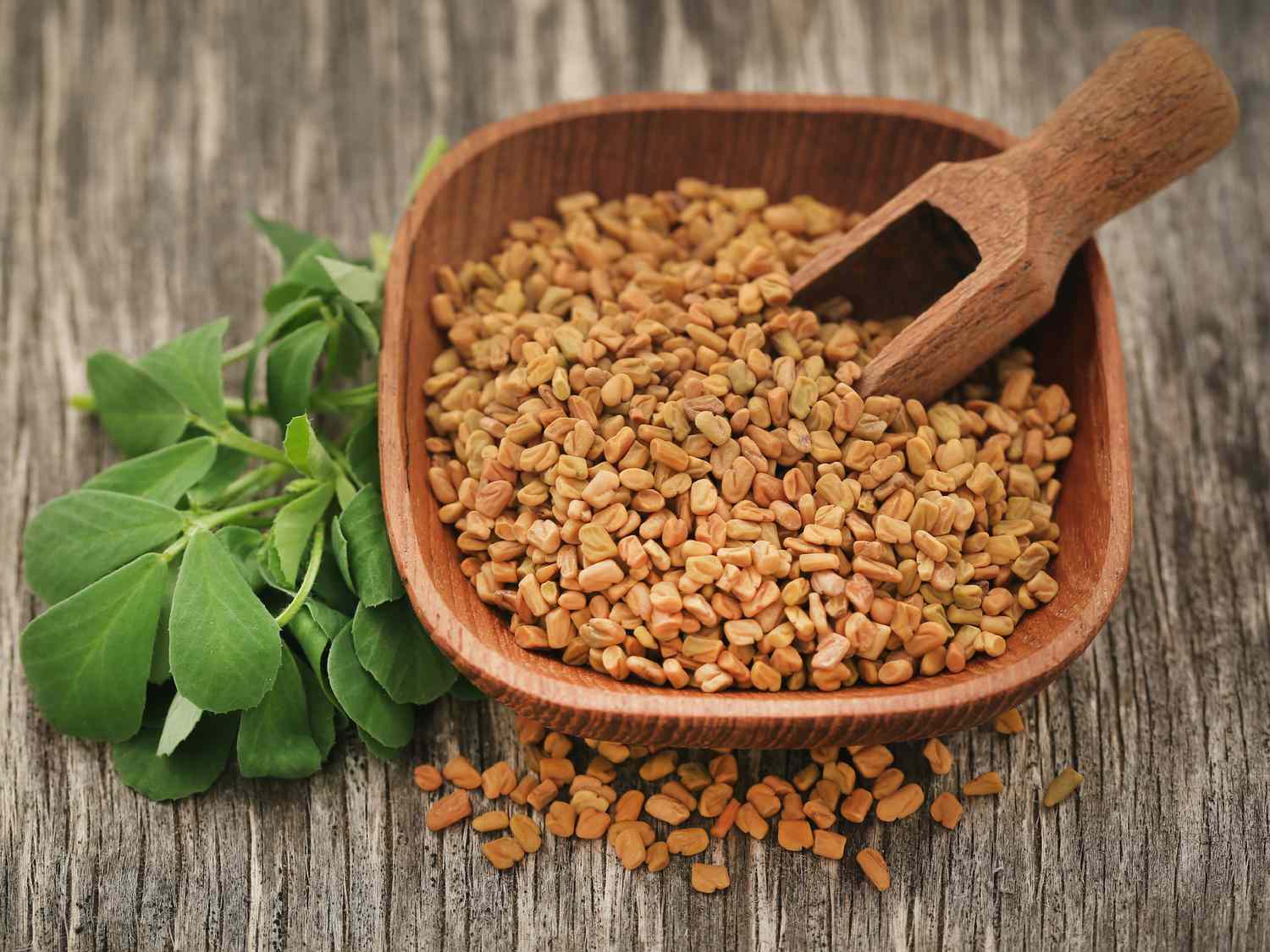
Cultivated for its distinctive bitter seeds and leaves (kasuri methi). Seeds rich in diosgenin and 4-hydroxyisoleucine for blood sugar regulation. Widely used in spice blends, pickles, and Ayurvedic medicine.
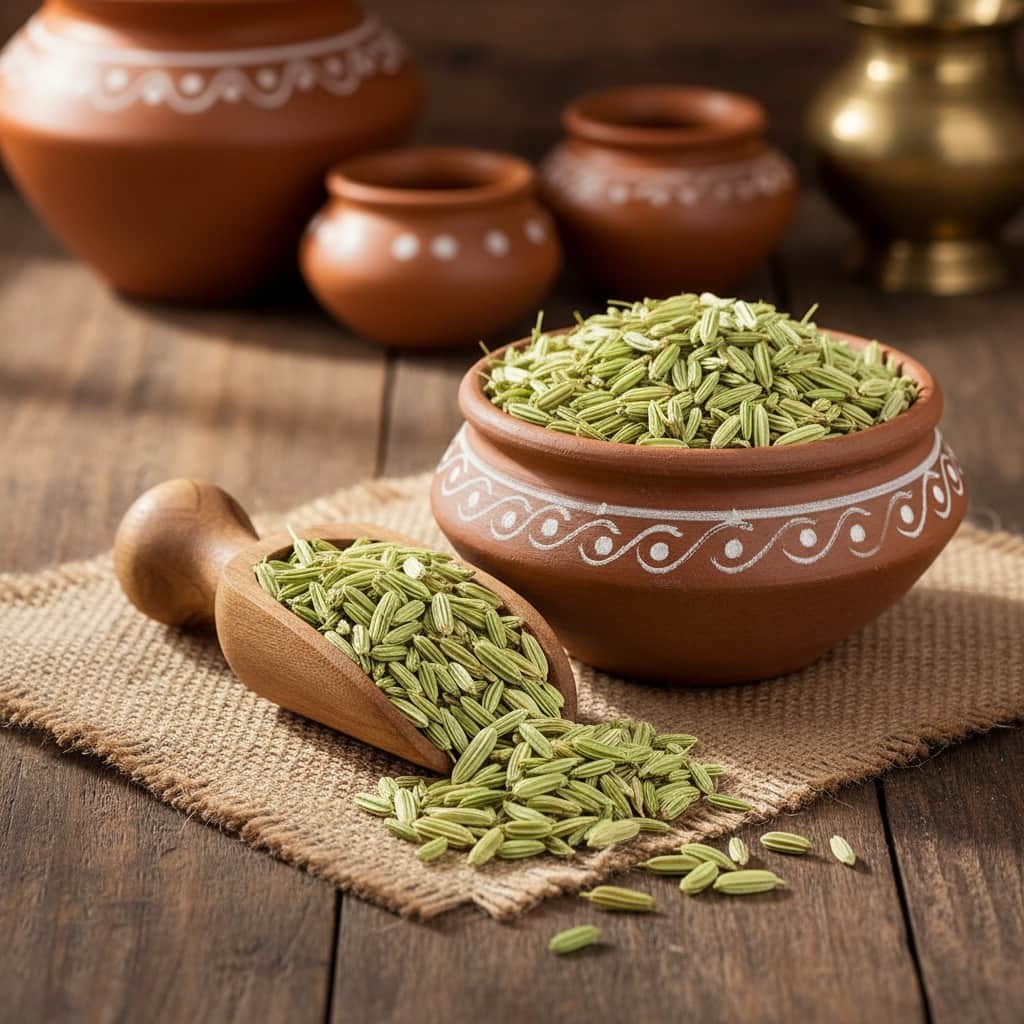
Aromatic perennial herb with sweet, anise-like flavour due to anethole (50–80% of EO). Used in spice blends, confectionery, pickles, and beverages. Widely consumed as a traditional after-meal digestive in India.
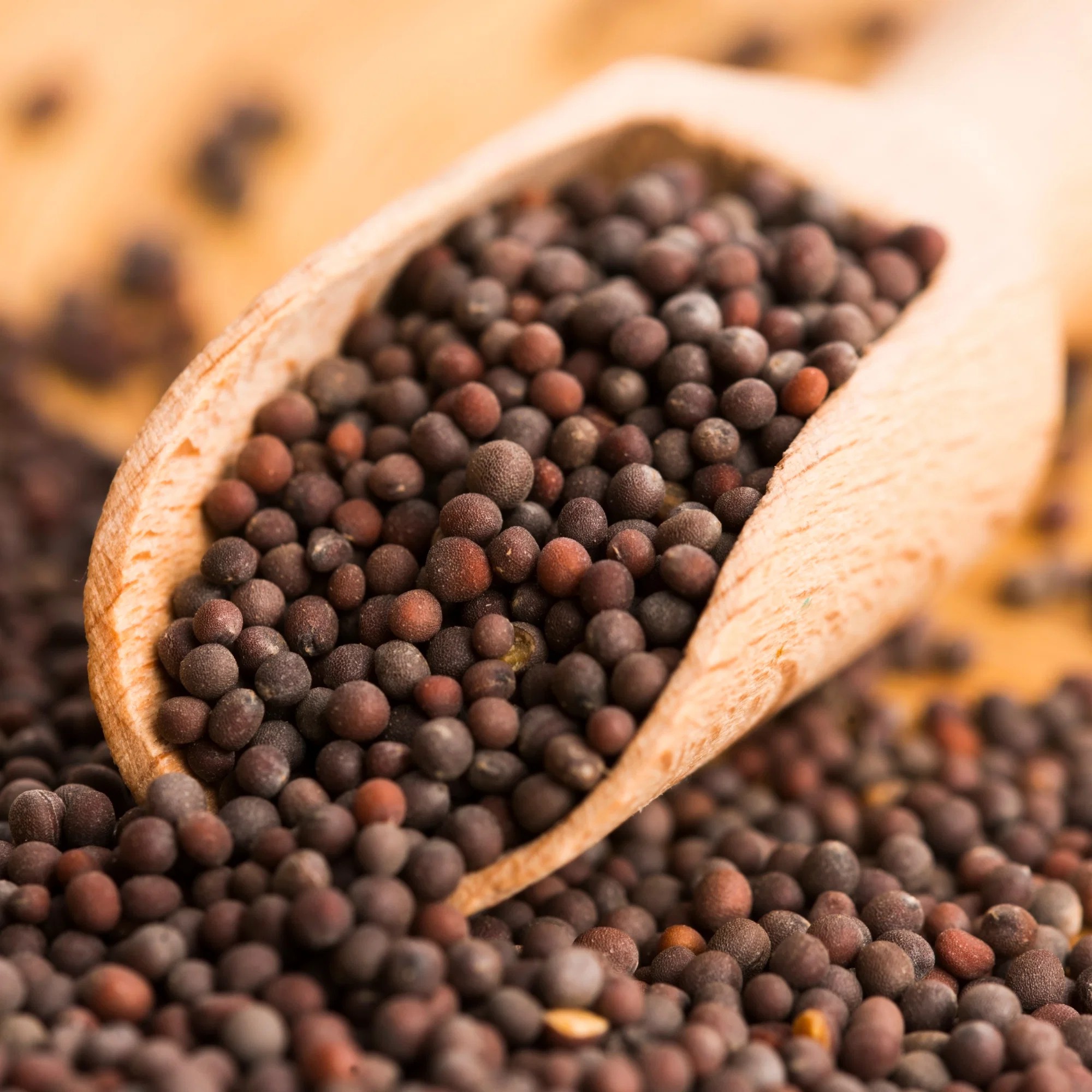
Important oilseed and spice crop. Seeds used whole, ground, or for mustard oil — a major edible oil in North and East India. Allyl isothiocyanate delivers the characteristic pungency and powerful antimicrobial activity.
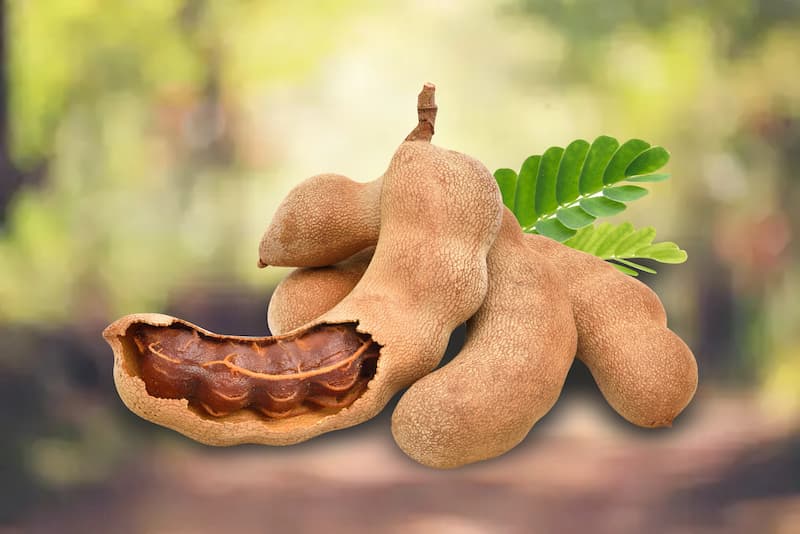
Long-lived tropical tree cultivated for its sweet-sour fruit pulp. Tartaric acid (8–18%) gives characteristic sourness. Essential ingredient in South Indian curries, chutneys, sauces, and beverages. Trees can fruit for 200+ years.
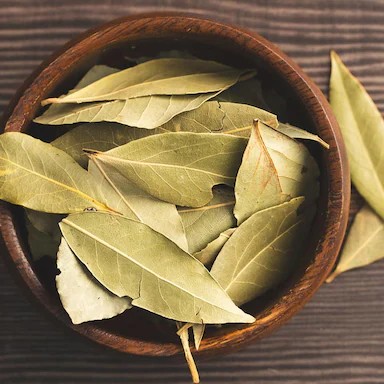
Indian bay leaf (tejpat) from Himalayan evergreen Cinnamomum tamala. Distinctive cinnamon-clove aroma from eugenol and cinnamaldehyde. Widely used in biryani, curries, and garam masala. Used whole and removed before serving.
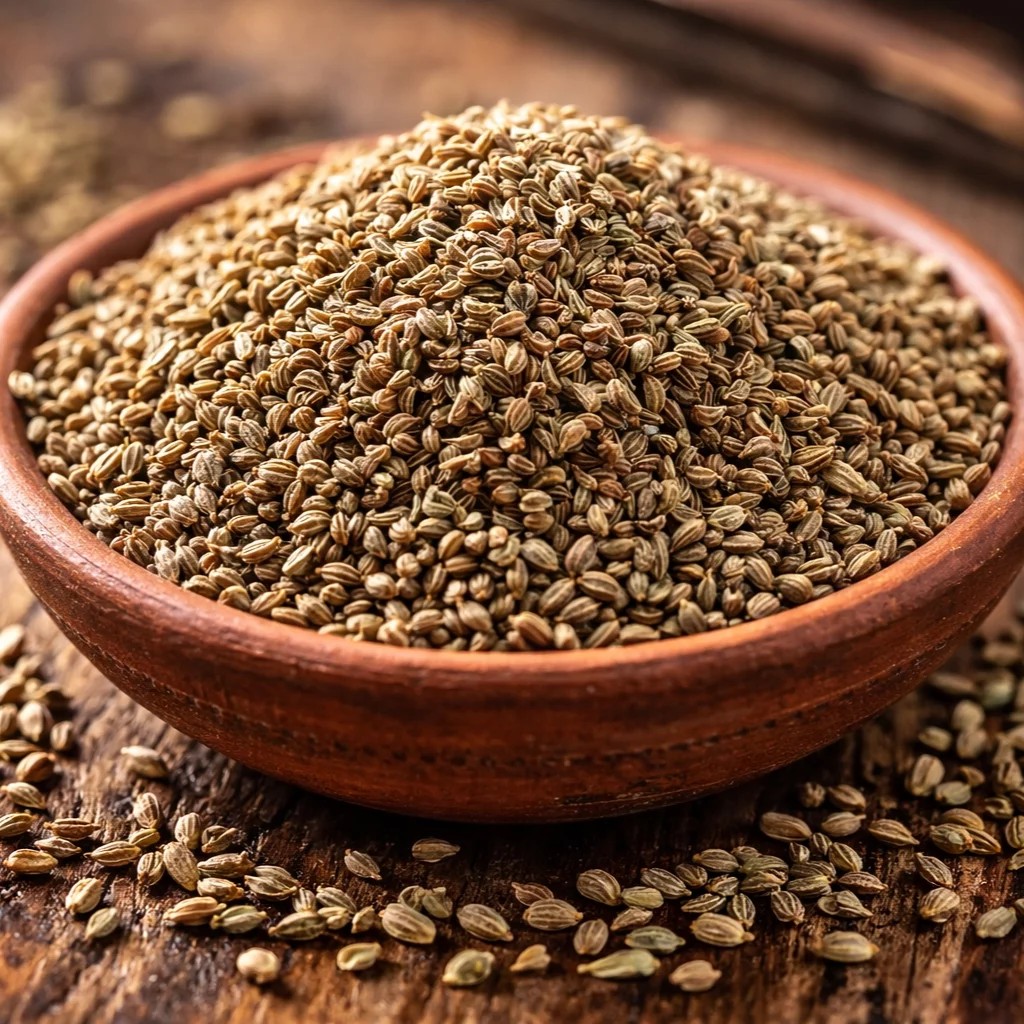
Strong pungent thyme-like spice used in Indian breads, snacks, and savoury preparations. Thymol (35–60% of EO) delivers exceptional antimicrobial power. Widely used as a traditional digestive and carminative across India.
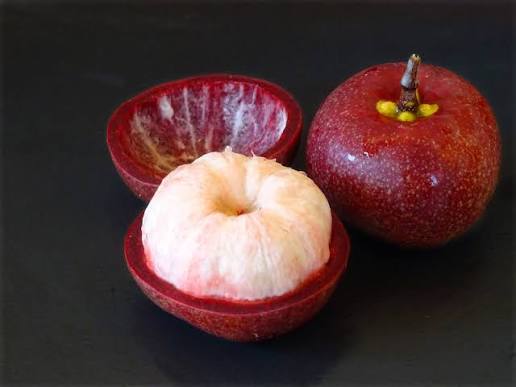
Tropical fruit tree native to Western Ghats. Dried rind used as a souring agent in curries, dals, and chutneys. Rich in anthocyanins and hydroxycitric acid (HCA); popular for refreshing summer beverages.
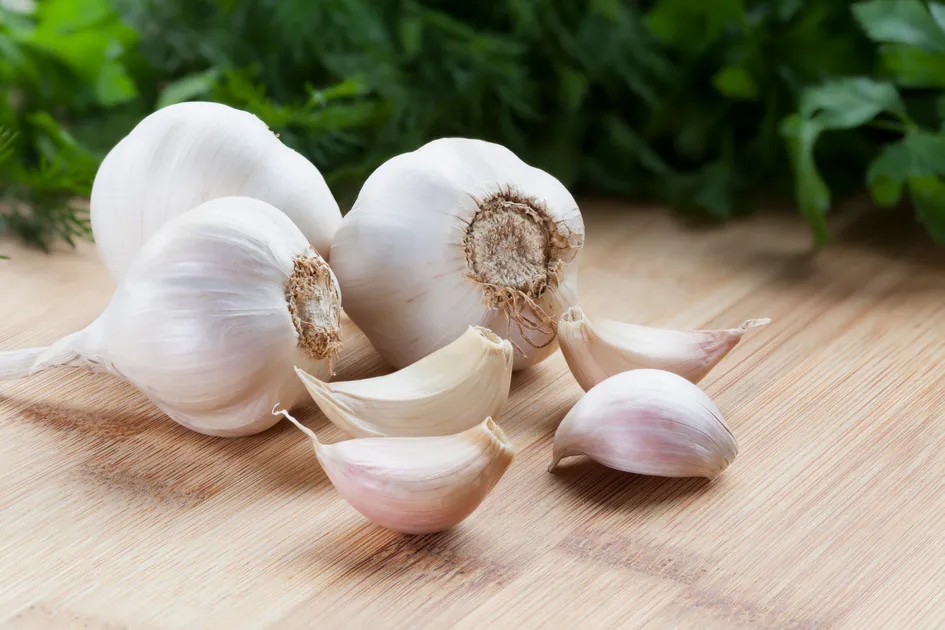
Underground bulb with individual cloves widely used as a spice and condiment in curries, pickles, and sauces. Allicin gives characteristic aroma and potent antimicrobial, antioxidant, and cardiovascular health benefits.
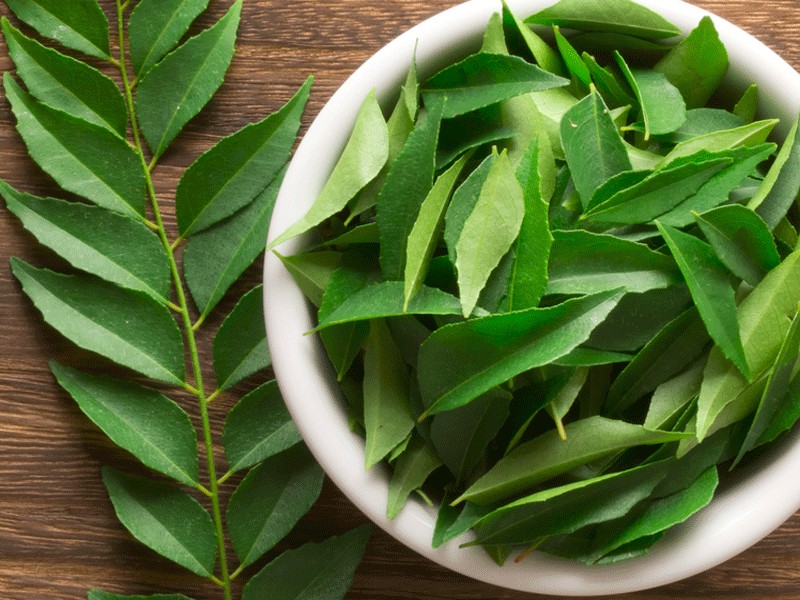
Aromatic fresh leaves indispensable in Indian seasoning, sambhar, rasam, and chutneys. Source of essential oils, unique carbazole alkaloids, and antioxidants traditionally used to support digestion.
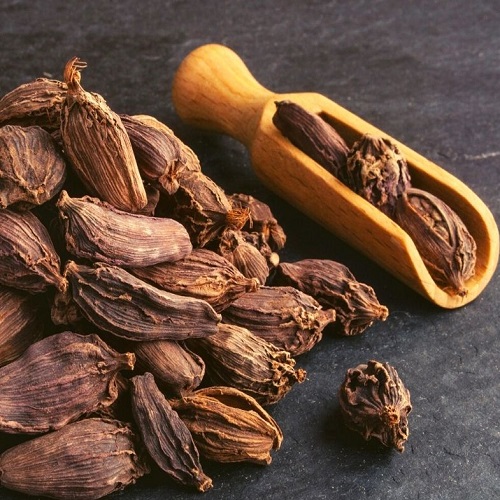
Perennial herb cultivated in the North-Eastern Himalayan region. Dried capsules feature a strong, smoky, and camphoraceous flavour widely used in biryani, meat curries, and garam masala blends.
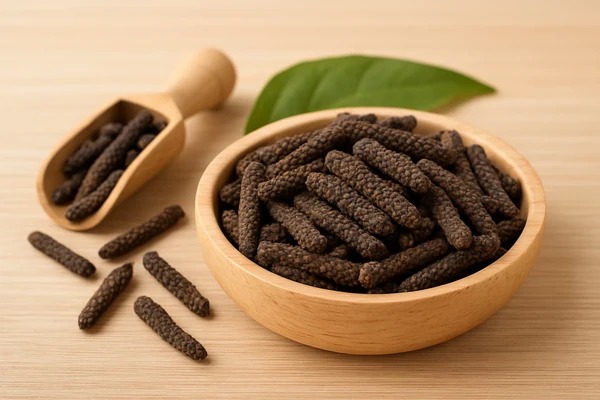
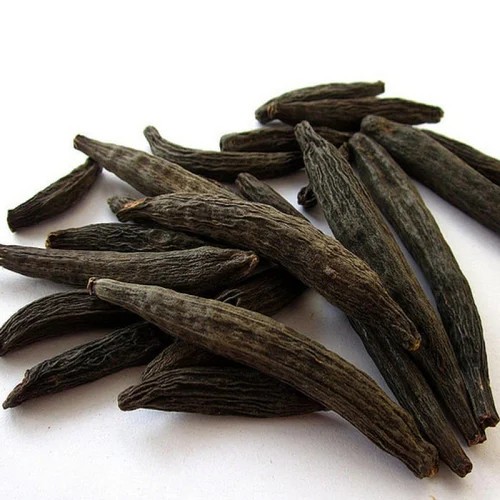
Perennial climbing plant whose dried immature fruit offers intense pungency exceeding black pepper. Key ingredient in Ayurvedic formulations (Trikatu) for respiratory health, digestion, and bioavailability enhancement.
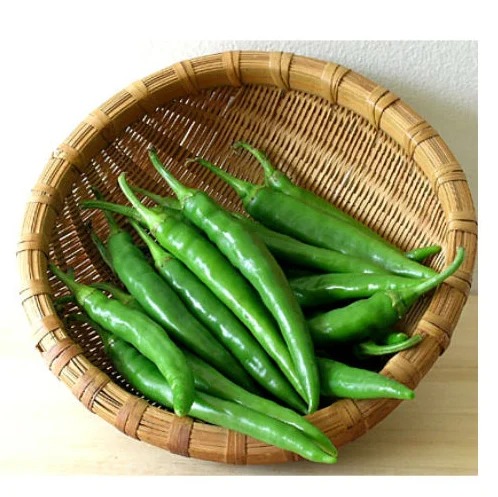
Major spice and vegetable crop used for pungency, vibrant red colour, and flavour. Pungency driven by capsaicin; rich in vitamin C and carotenoids (capsanthin). India leads global production and export.
Dried unopened flower bud of the Kapok tree. Features a distinctive woody, floral, and slightly pungent aroma essential to Karnataka, Andhra, and Chettinad biryanis and masala blends.
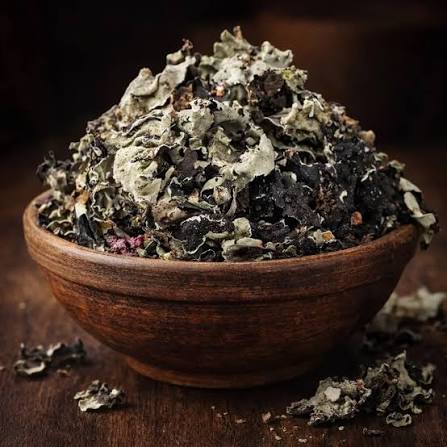
Aromatic lichen known as kalpasi providing a subtle earthy, smoky, and woody aroma when cooked. Key ingredient in Chettinad, Kolhapuri, and Maharashtrian biryani and regional masala blends.
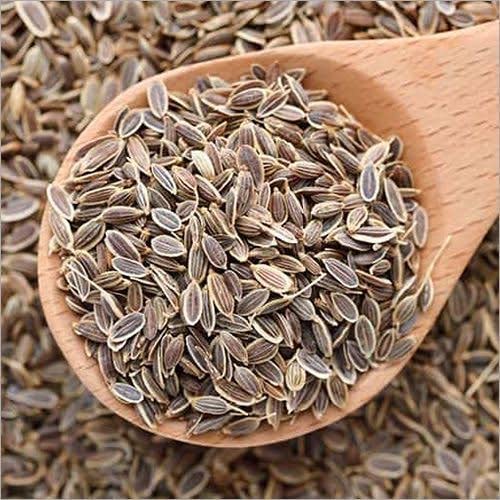
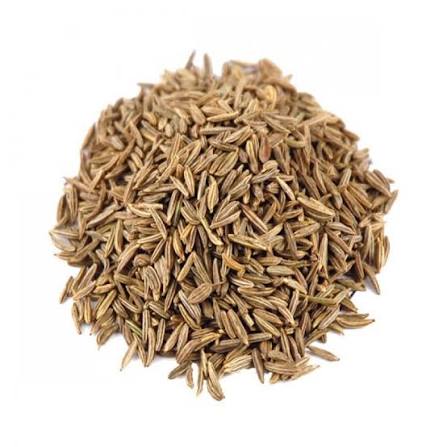
Aromatic dried fruits having a warm, aromatic, slightly bitter flavour. Contains carvone and limonene; widely used in pickling, curries, spice blends, and traditional digestive preparations.
Aromatic biennial herb with distinctive warm, earthy, and anise-like flavour. Carvone and limonene contribute to its aroma. Used in breads, confectionery, pickles, curries, and carminative preparations.
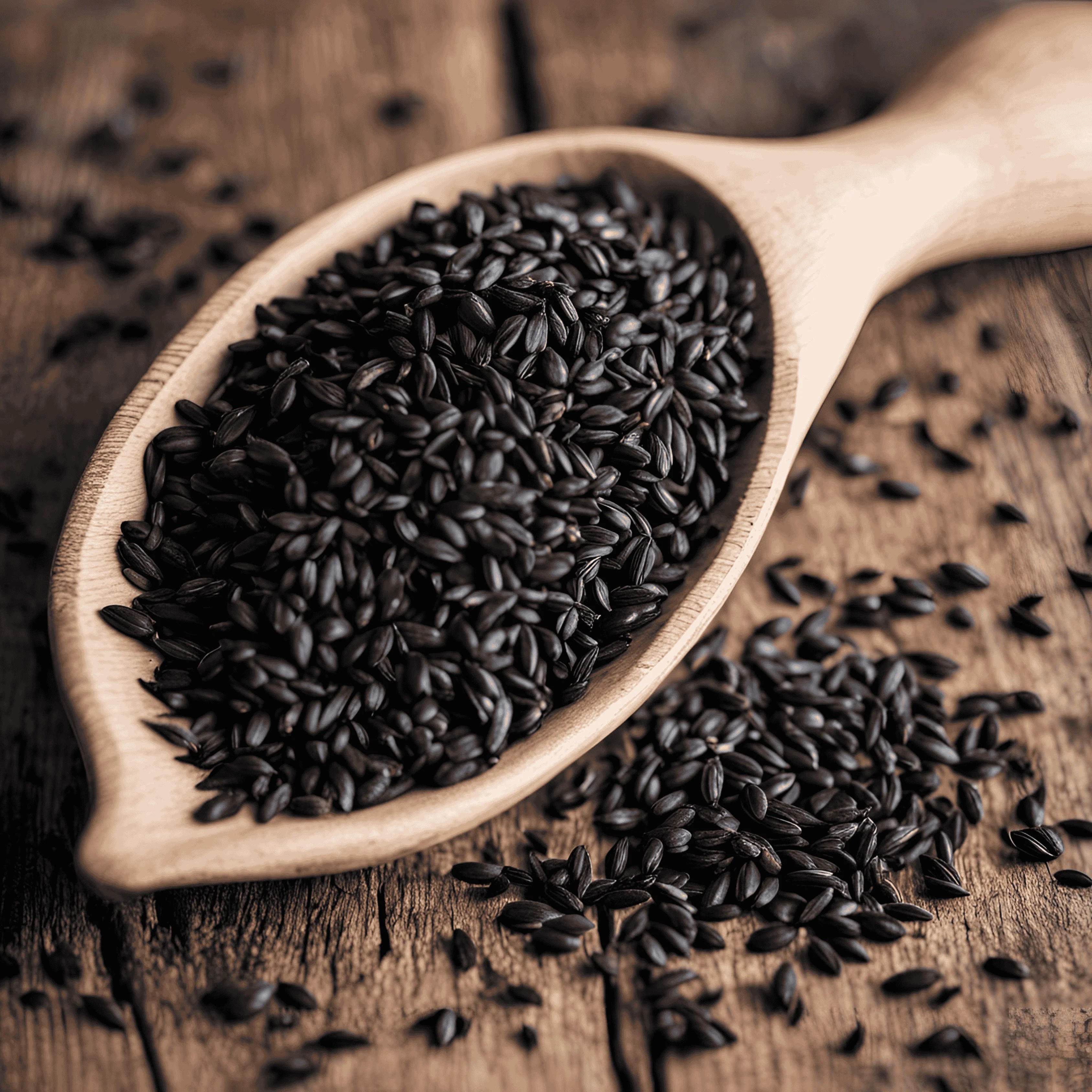
Small black seeds with pungent, aromatic flavour. Essential in naan breads, pickles, curries, and Bengali panch phoron. Rich in thymoquinone with strong antioxidant and antimicrobial properties.
Explore ICAR-IISR patented technologies available for commercialization, licensing, and industrial transfer.