
Parmotrema spp. | Lichen | Earthy Aromatic Ingredient
Stone Flower (Kalpasi)
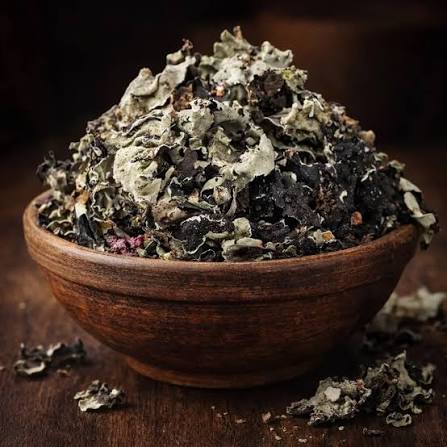
Aromatic Lichen Spice
South India and Maharashtra
Earthy Smoky Woody Aroma
Chettinad and Biryani Spice
Stone flower, also known as kalpasi, is a lichen belonging mainly to the genus Parmotrema (formerly Parmelia). Unlike other spices derived from plants, it is a lichen — a symbiotic organism of fungi and algae. It is a distinctive aromatic ingredient used in Indian spice blends and traditional cuisine, with a subtle earthy, smoky, and woody aroma when used in cooking.
Stone flower is commonly used in biryani, meat preparations, curries, and regional masala blends. It is particularly popular in South Indian and Maharashtrian cuisine, including Chettinad and Kolhapuri-style preparations. The spice is harvested from rocky surfaces and tree bark in forested areas and sold dried.
Medicinal Value
- Traditionally valued for aromatic and digestive properties
- Antimicrobial activity from lichen acids
- Anti-inflammatory properties reported
- Used in traditional Ayurvedic preparations
- Antioxidant compounds from usnic acid and others
Industrial Uses
- Key ingredient in Chettinad masala blends
- Used in Kolhapuri and South Indian curries
- Ingredient in biryani and meat preparations
- Traditional regional masala and spice mixes
- Perfumery (oakmoss-type base note)
Harvesting
- Collected from rocky outcrops and tree bark
- Grows naturally in hilly forested areas
- Sun-dried after collection for preservation
- Western Ghats and Deccan plateau major sources
- Sustainable wild collection is essential
Active Compounds
- Usnic acid - major lichen bioactive compound
- Atranorin - cortical compound with antimicrobial activity
- Salazinic acid - medullary lichen acid
- Polyphenols and terpenoids