
Kokum
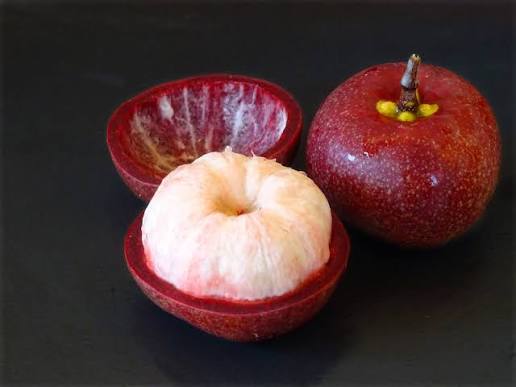
Kokum (Garcinia indica Choisy) is a tropical fruit tree belonging to the family Clusiaceae, native to the coastal Western Ghats of India. The dried fruit rind is widely used as a souring agent in Indian cuisine, particularly in the coastal regions of Goa, Maharashtra, Karnataka, and Kerala. It is an integral part of the food culture of Western and Southern coastal India.
The fruit is rich in anthocyanins (responsible for the deep purple-red colour) and hydroxycitric acid (HCA). A refreshing summer drink called kokum sharbat is prepared from the fruit pulp and is prized for its cooling properties. Kokum butter, extracted from the seeds, is used in confectionery and cosmetics as a cocoa butter substitute.
Medicinal Value
- Traditionally used to aid digestion
- Consumed as a refreshing summer cooling beverage
- Anthocyanins provide antioxidant activity
- HCA supports weight management (similar to Garcinia cambogia)
- Used in traditional medicine for stomach disorders
Industrial Uses
- Dried rind as souring agent in curries, dals, chutneys
- Kokum sharbat and refreshing beverages
- Kokum butter for confectionery and cosmetics
- Natural food colourant (anthocyanins)
- Nutraceutical and pharmaceutical preparations
Cultivation
- Medium-sized tropical evergreen tree
- Grows in hot, humid coastal climate
- Thrives in laterite and loamy soils of Western Ghats
- Fruits ripen between March and May
- Rind sun-dried or dehydrated for preservation
Active Compounds
- Hydroxycitric acid (HCA) - major organic acid
- Anthocyanins - cyanidin-3-glucoside (deep red colour)
- Garcinol - anti-inflammatory benzophenone
- Kokum butter (seed fat) - stearic and oleic acids