
Nigella sativa L. | Family: Ranunculaceae | Black Cumin / Kalonji
Nigella (Kalonji)
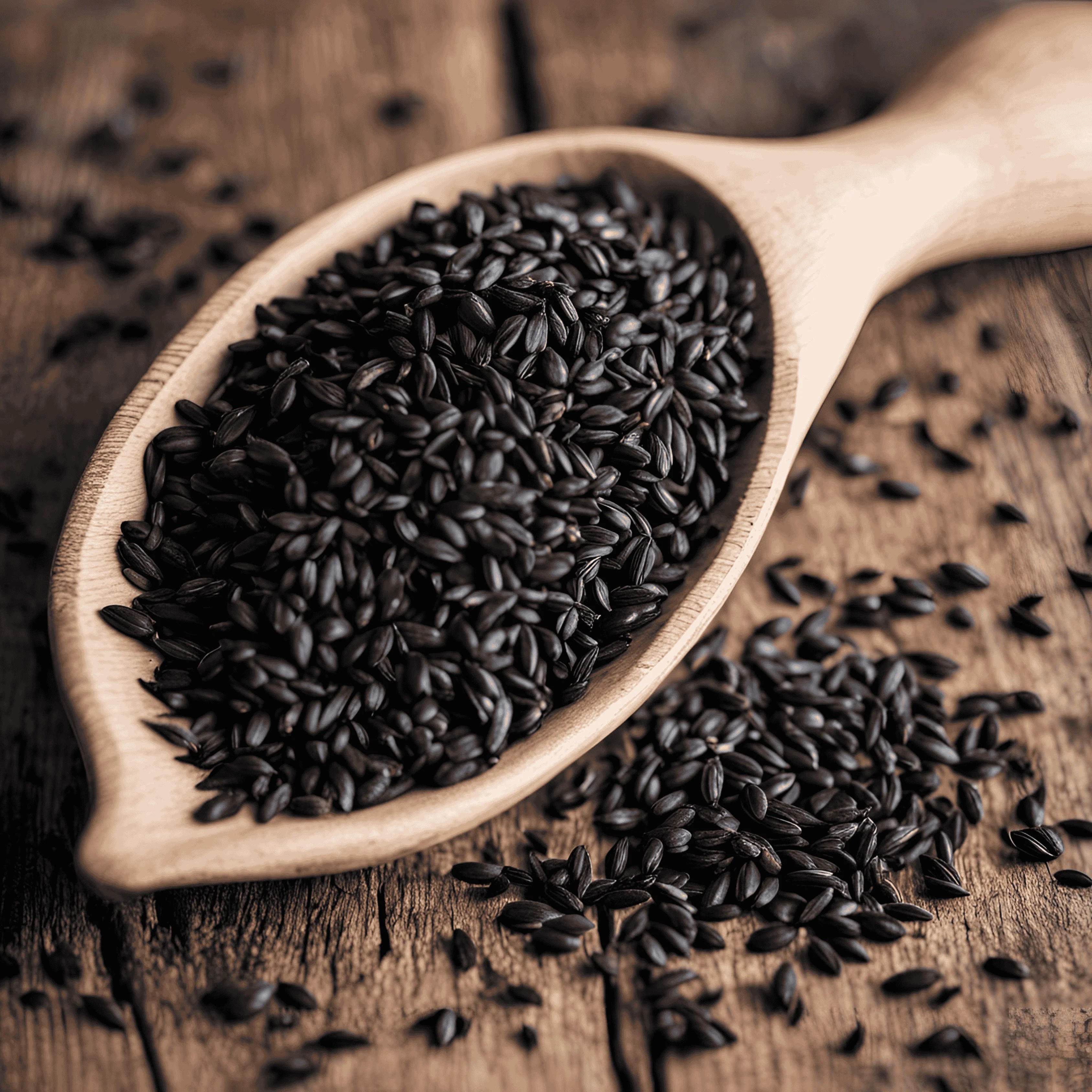
Black Cumin / Kalonji
Native to Southwest Asia
Rich in Thymoquinone
Antioxidant and Antimicrobial
Nigella (Nigella sativa L.) is an annual flowering plant belonging to the family Ranunculaceae. The small black seeds, commonly known as black cumin or kalonji, are used as a spice. The seeds have a pungent, slightly bitter, and aromatic flavour with a hint of onion, pepper, and oregano. They are used across Middle Eastern, South Asian, and North African cuisines.
Nigella seeds are commonly used in pickles, breads, curries, and spice blends. They are a key ingredient in the Bengali five-spice blend panch phoron. The seeds contain thymoquinone and other bioactive compounds that have attracted significant scientific interest for their antioxidant, antimicrobial, and potentially anticancer properties.
Medicinal Value
- Valued for antioxidant properties (thymoquinone)
- Antimicrobial and antifungal activity
- Anti-inflammatory properties reported
- Traditional use for respiratory and immune support
- Used in Unani and Ayurvedic medicine
Industrial Uses
- Seasoning for naan bread and Indian breads
- Key ingredient in Bengali panch phoron blend
- Used in pickles, curries, and spice blends
- Nigella oil (black seed oil) as nutraceutical
- Cosmetic and hair care preparations
Cultivation
- Annual herb (20-30 cm tall); cool, dry climate preferred
- Grown in well-drained loamy sandy soils
- Matures in 90-120 days after sowing
- Rajasthan, Himachal Pradesh major producers in India
- Seeds harvested when capsules turn golden-brown
Active Compounds
- Thymoquinone - major bioactive (30-48% of oil)
- Thymohydroquinone - antifungal compound
- Carvacrol and thymol - antimicrobial
- Nigellone - antihistaminic dimer ketone