
Carum carvi L. | Family: Apiaceae | Aromatic Biennial Seed Spice
Caraway Seed
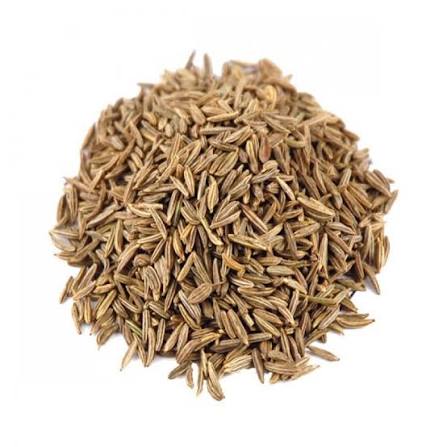
Biennial Aromatic Herb
Native to Western Asia and Europe
Rich in Carvone and Limonene
Traditional Bread and Cheese Spice
Caraway (Carum carvi L.) is an aromatic biennial herb belonging to the family Apiaceae. Caraway seeds are the dried fruits of the plant and are used as a spice. They have a distinctive warm, earthy, and anise-like flavour with a slight bittersweet note. The seeds are used in breads, confectionery, pickles, curries, and spice blends.
Caraway contains carvone and limonene, which contribute to its characteristic aroma. One of the most ancient spices in use, caraway has been used in European and Asian cuisines for thousands of years. It is particularly well-known as a flavouring in rye bread, cheeses, and sauerkraut in European cuisine, while also used in Indian curries and spice blends.
Medicinal Value
- Traditionally used to aid digestion
- Relieves bloating and flatulence (carminative)
- Antispasmodic on the gastrointestinal tract
- Antimicrobial properties from essential oil
- Used in Ayurveda and traditional European medicine
Industrial Uses
- Flavouring in rye bread and artisan breads
- Ingredient in cheese flavouring (Havarti, Munster)
- Caraway oil in liqueurs (Aquavit, Kummel)
- Used in sauerkraut and pickled vegetables
- Pharmaceutical carminative preparations
Cultivation
- Biennial herb (30-80 cm tall); cool climate preferred
- Deep, well-drained loamy soils required
- Seeds harvested in second year of growth
- Himachal Pradesh, Jammu and Kashmir cultivate in India
- Netherlands, Finland, Germany are major producers
Active Compounds
- Carvone - major essential oil component (50-60%)
- Limonene - secondary volatile oil
- Carveol and dihydrocarveol
- Flavonoids and fixed oils - fatty acids