
Cuminum cyminum L. | Family: Apiaceae | Seed Spice
Cumin
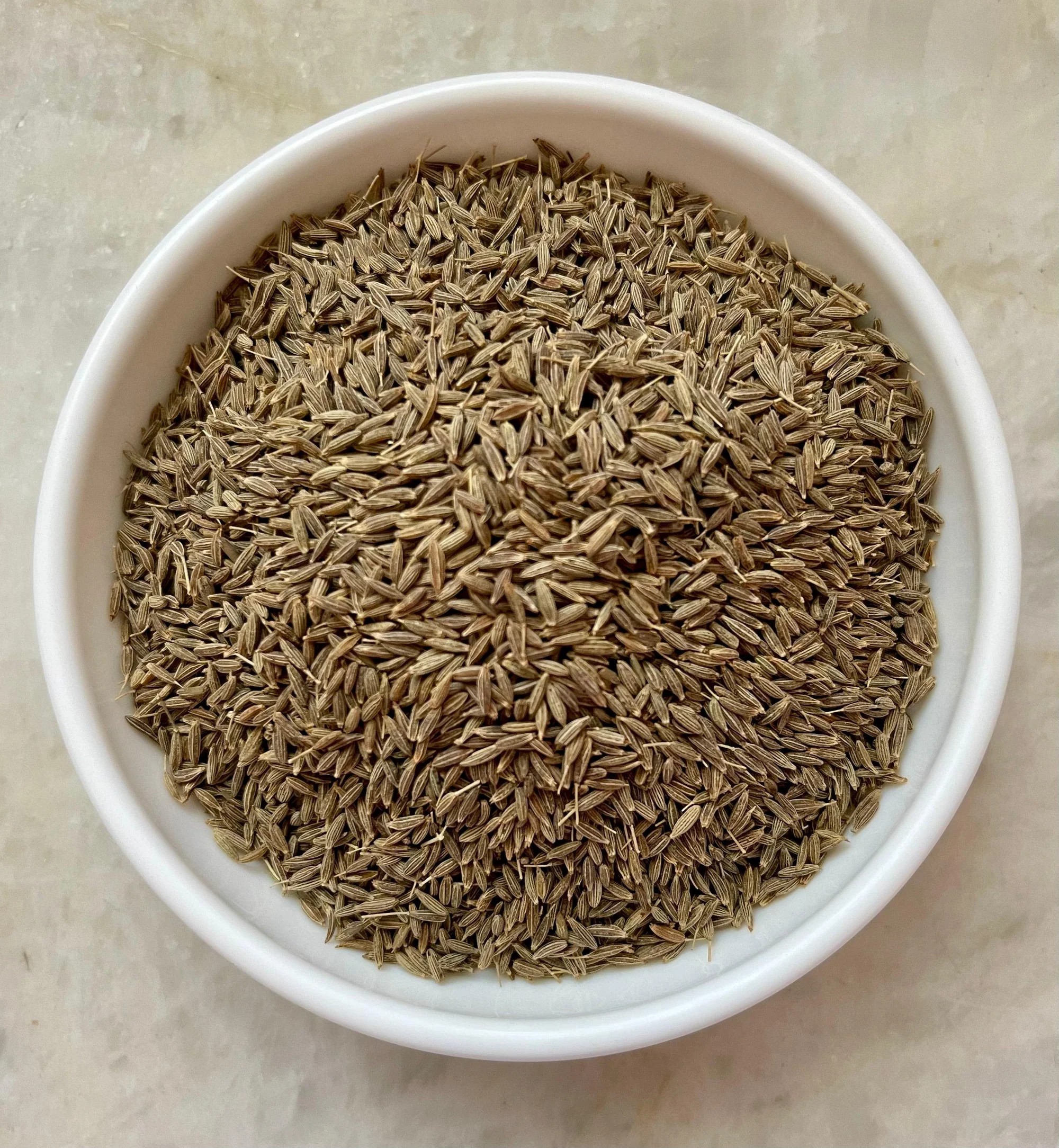
Dried Seed Spice
Native to Eastern Mediterranean
Rich in Cuminaldehyde
Essential Indian Cuisine Spice
Cumin (Cuminum cyminum L.) is an aromatic spice belonging to the family Apiaceae, cultivated mainly for its dried seeds. It is one of the most widely used spices in Indian cuisine and is valued for its warm, earthy, and slightly bitter flavour. Cumin is also one of the most important spices in Middle Eastern, Mexican, and Mediterranean cooking.
Cumin seeds are extensively used in curries, spice blends, pickles, beverages, and traditional foods. India is the world's largest producer, consumer, and exporter of cumin. The characteristic aroma is primarily due to the volatile oil compound cuminaldehyde, along with other terpenoids including p-cymene and beta-pinene.
Medicinal Value
- Traditionally used to aid digestion
- Relieves gastrointestinal discomfort and bloating
- Valued for antioxidant properties
- Carminative - reduces flatulence
- Anti-inflammatory activity reported
Industrial Uses
- Essential ingredient in garam masala and curry powder
- Used in pickles, chutneys, and spice blends
- Cumin oil for flavouring beverages and food
- Used in traditional Ayurvedic preparations
- Ingredient in meat seasonings and marinades
Cultivation
- Annual herb (30-50 cm tall), cool dry climate preferred
- Sown in well-drained sandy loam soils
- Matures in 100-120 days after sowing
- Gujarat and Rajasthan are major producers in India
- Harvested when seeds turn brown and dry
Active Compounds
- Cuminaldehyde - primary aroma compound
- p-Cymene and beta-pinene - volatile oils
- Flavonoids - luteolin, apigenin
- Fixed oils - petroselinic acid, oleic acid