
Cinnamomum tamala | Family: Lauraceae | Aromatic Dried Leaf Spice
Bay Leaf (Tejpat)
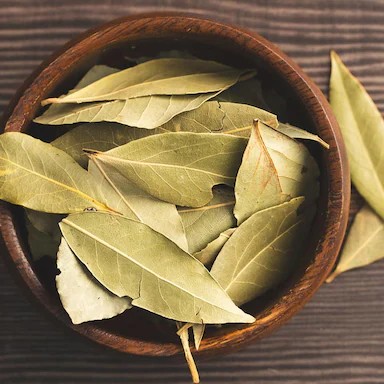
Aromatic Leaf Spice
Native to Himalayas and NE India
Rich in Eugenol and Cinnamaldehyde
Essential Biryani Spice
Indian bay leaf, commonly known as tejpat, is obtained from Cinnamomum tamala Nees & Eberm., an evergreen tree belonging to the family Lauraceae. It is botanically distinct from the Mediterranean bay laurel (Laurus nobilis), though used similarly as a cooking spice. The dried leaves have a distinctive aromatic fragrance reminiscent of cinnamon and clove.
Bay leaves are widely used in biryani, curries, rice dishes, and spice blends across India. They are generally used whole during cooking and removed before serving. The leaves are native to the Himalayan region and Northeast India. Their essential oil contains eugenol and cinnamaldehyde, giving them a warm, spicy aroma similar to cinnamon.
Medicinal Value
- Traditionally used to aid digestion
- Valued for aromatic and antioxidant properties
- Antimicrobial activity from essential oil
- Used in Ayurvedic preparations for digestive disorders
- Anti-inflammatory activity reported
Industrial Uses
- Whole dried leaves in biryani and pulao
- Ingredient in garam masala and spice blends
- Essential oil in perfumery and cosmetics
- Flavouring in food processing industry
- Pharmaceutical preparations as digestive aid
Cultivation
- Evergreen tree (5-10 m tall)
- Native to Himalayan foothills and NE India
- Requires cool, moist climate and well-drained soils
- Leaves harvested and sun-dried or shade-dried
- Uttarakhand, Himachal Pradesh major producing regions
Active Compounds
- Eugenol - major volatile oil component
- Cinnamaldehyde - warm, spicy aroma
- Methyl eugenol and linalool
- Flavonoids and tannins - antioxidant activity