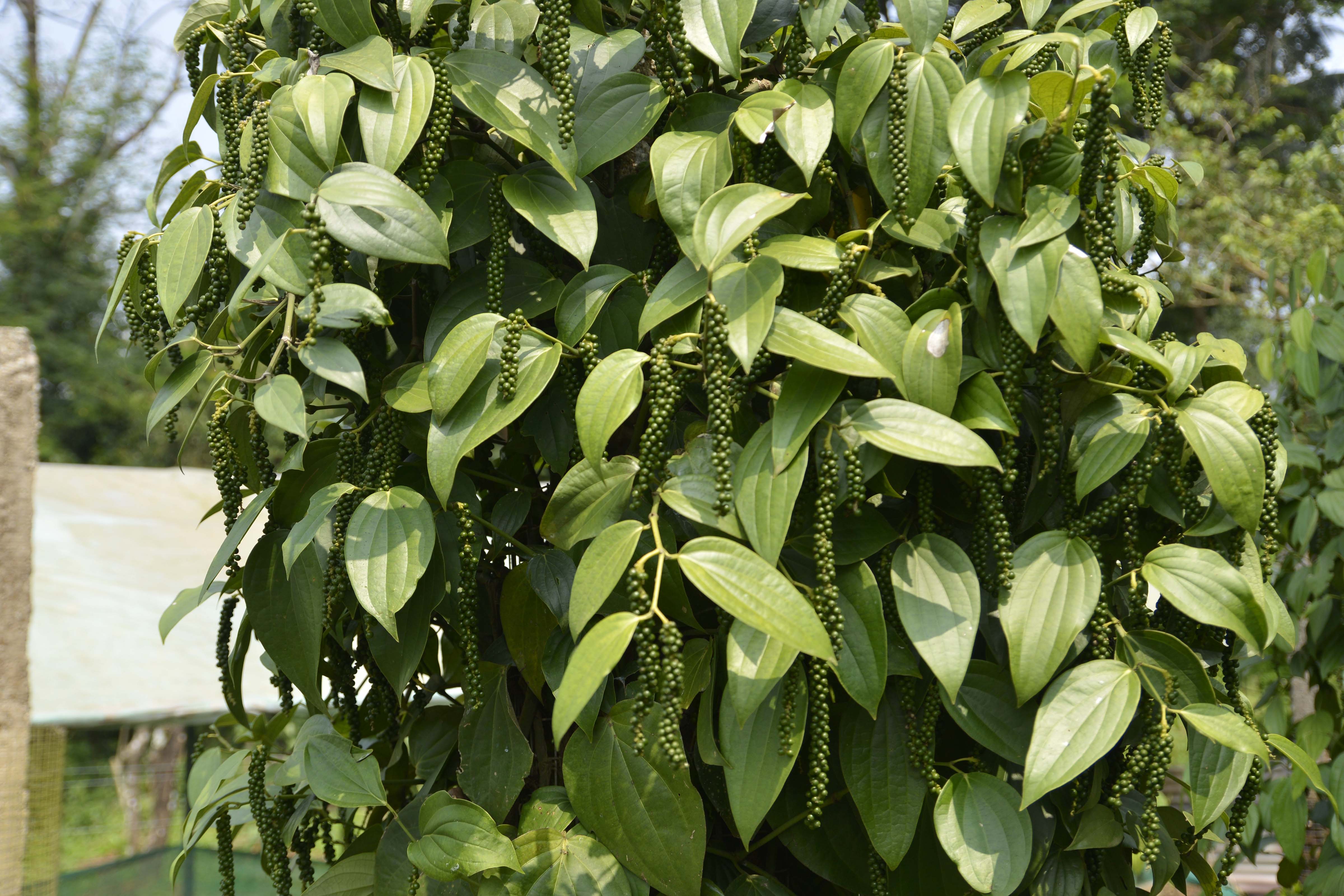
Black pepper
Piper nigrum L.
Black pepper is one of India's most nationally important spice crops and is often called the "King of Spices." It is widely cultivated in states such as Keralam, Karnataka, and Tamil Nadu, where the tropical climate supports its growth. Black pepper plays a significant role in the Indian economy by contributing to export earnings, employment, and the spice trade industry. It is valued for its use in food seasoning, medicine, and food preservation due to the presence of piperine, which gives it its pungent flavor and medicinal properties. India has historically been famous for producing high-quality black pepper, making it an important agricultural and commercial crop of national importance.
View Details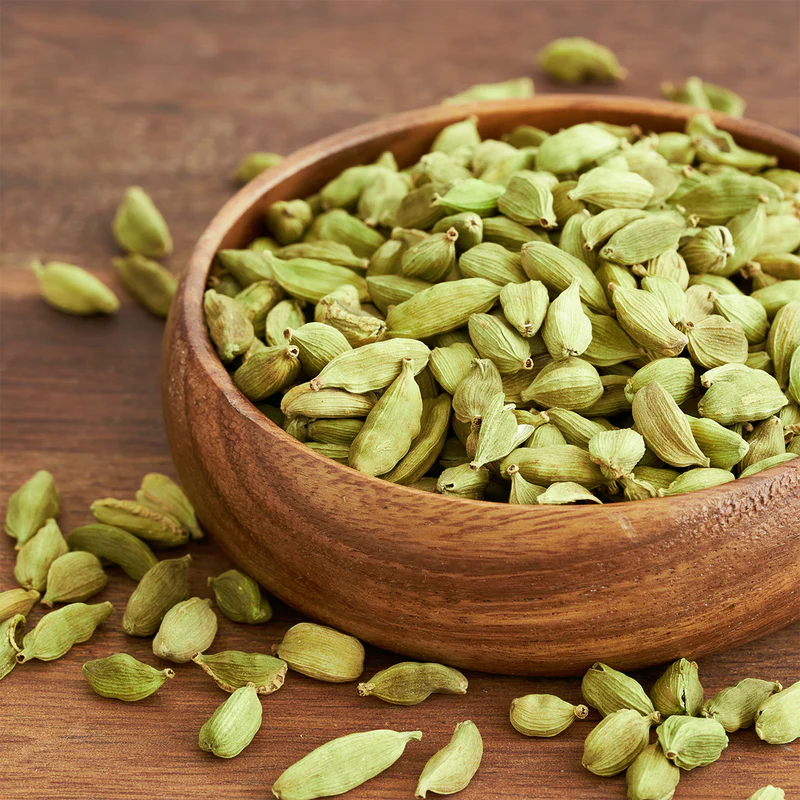
Cardamom
Elettaria cardamomum Maton
Cardamom is one of the most valuable and economically important spice crops of India and is popularly known as the "Queen of Spices." The evergreen forests of the Western Ghats provide the ideal natural habitat for its cultivation. India is one of the major producers and exporters of cardamom, especially from the states of Keralam, Karnataka, and Tamil Nadu. Cardamom contributes significantly to the national economy through export earnings and employment generation in plantation agriculture and spice processing industries. It is highly valued for its pleasant aroma and flavor and is widely used in food preparation, confectionery, beverages, traditional medicines, and perfumes. Due to its high market demand both within the country and internationally, cardamom occupies an important position among India's commercial spice crops.
View Details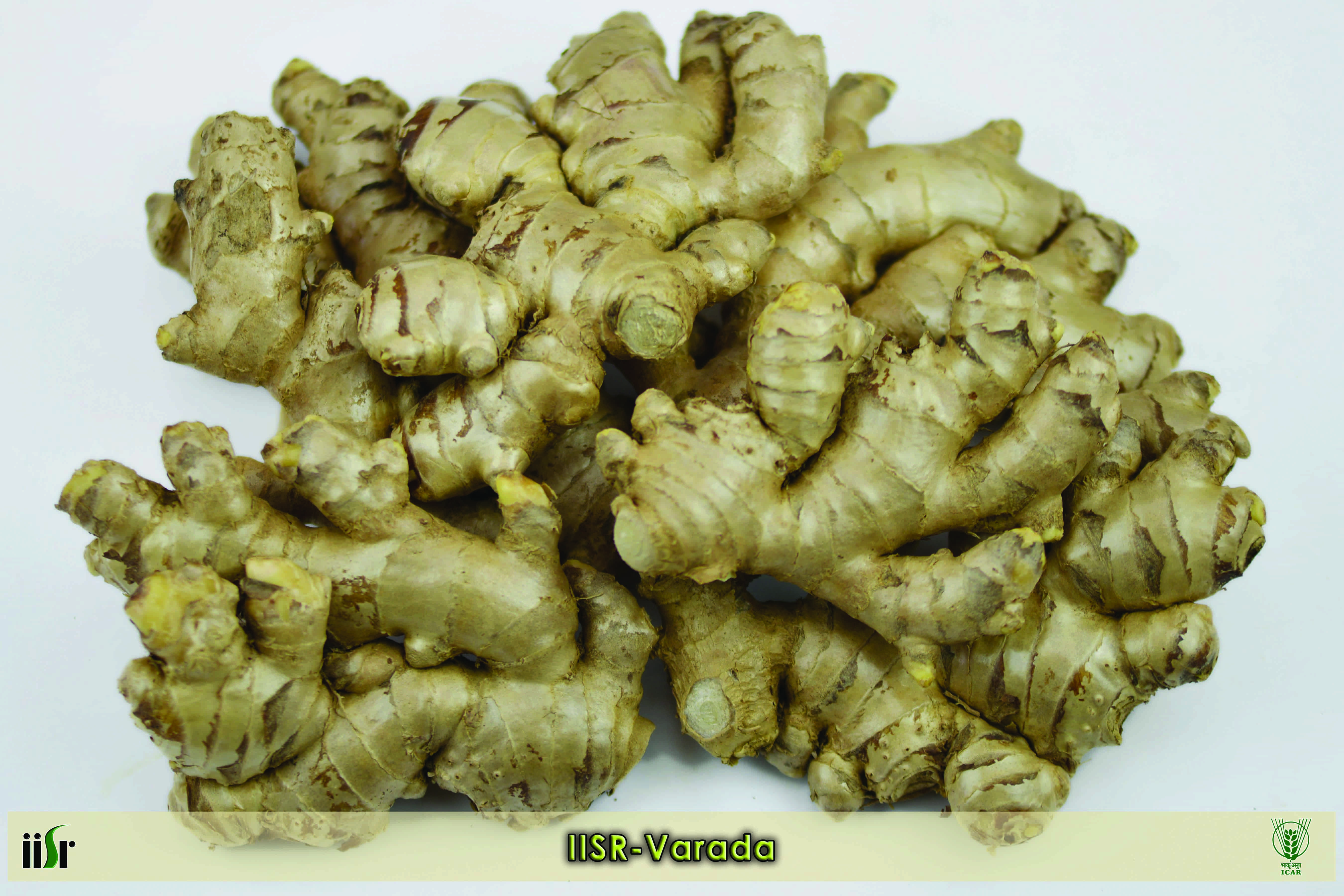
Ginger
Zingiber officinale Rosc.
Ginger is one of the most important spice crops cultivated in India and has great economic, medicinal, and culinary value. India is the leading producer of ginger in the world, with major cultivation in states such as Karnataka, Odisha, Assam, Meghalaya, Arunachal Pradesh, and Gujarat. The rhizome is widely used as a spice, condiment, and flavoring agent in food preparation, beverages, and processed products. Ginger is also valued in traditional medicine because of its digestive, anti-inflammatory, and medicinal properties. It plays an important role in export earnings and provides livelihood opportunities to thousands of farmers and workers involved in cultivation, processing, and marketing. Due to its high domestic and international demand, ginger is considered a nationally important commercial spice crop in India.
View Details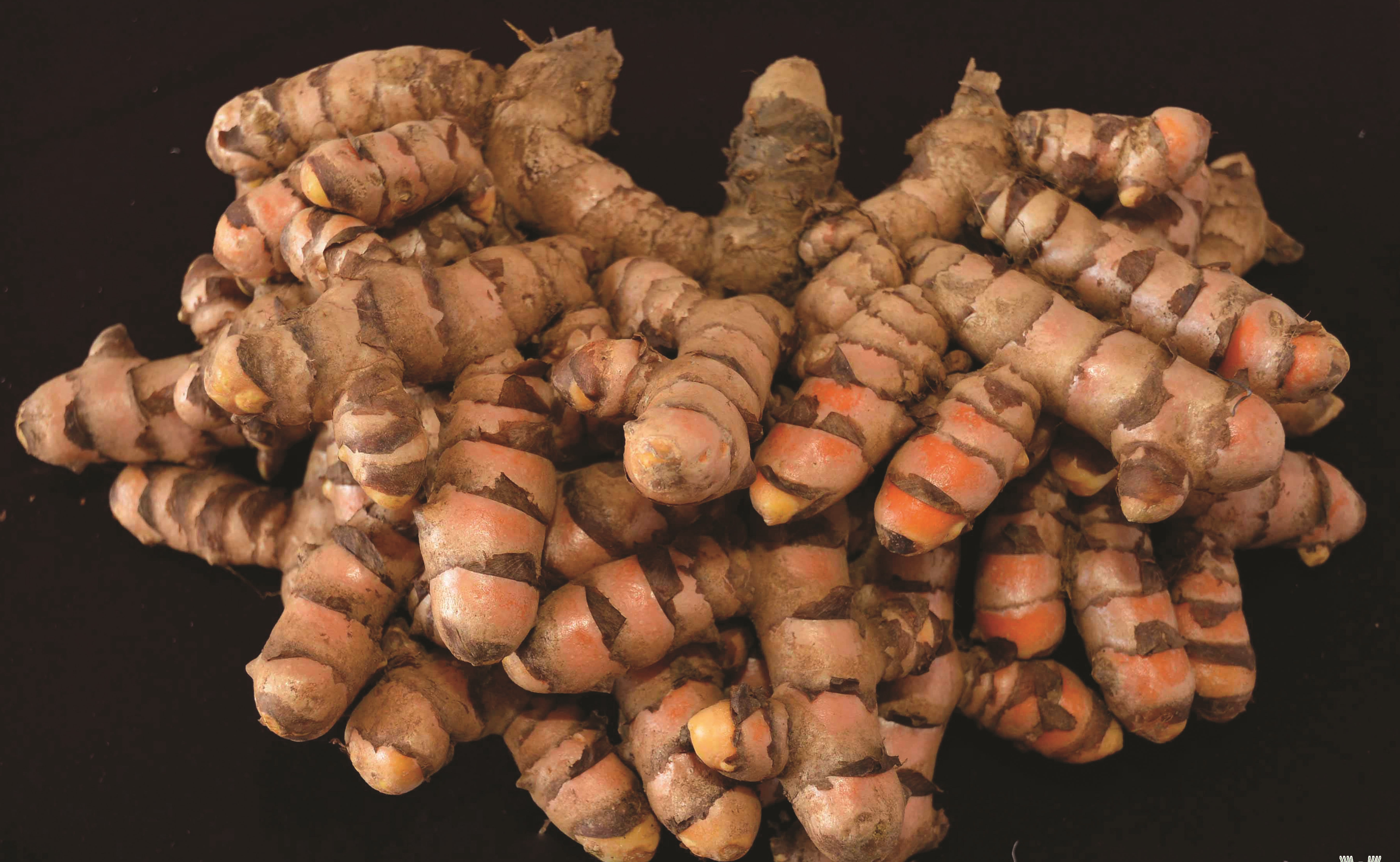
Turmeric
Curcuma longa L.
Turmeric is one of the most important spice crops of India and is widely valued for its culinary, medicinal, cultural, and industrial uses. India is the world's leading producer and exporter of turmeric, with major cultivation in states such as Andhra Pradesh, Tamil Nadu, Odisha, Karnataka, West Bengal, Gujarat, Meghalaya, Maharashtra, and Assam. Turmeric is extensively used as a condiment in food, a natural dye, a cosmetic ingredient, and an important medicinal herb due to its antiseptic and anti-inflammatory properties. It also has deep cultural and religious significance in Indian traditions and ceremonies. The crop contributes greatly to export earnings, rural employment, and the spice industry, making it a nationally important commercial crop.
View Details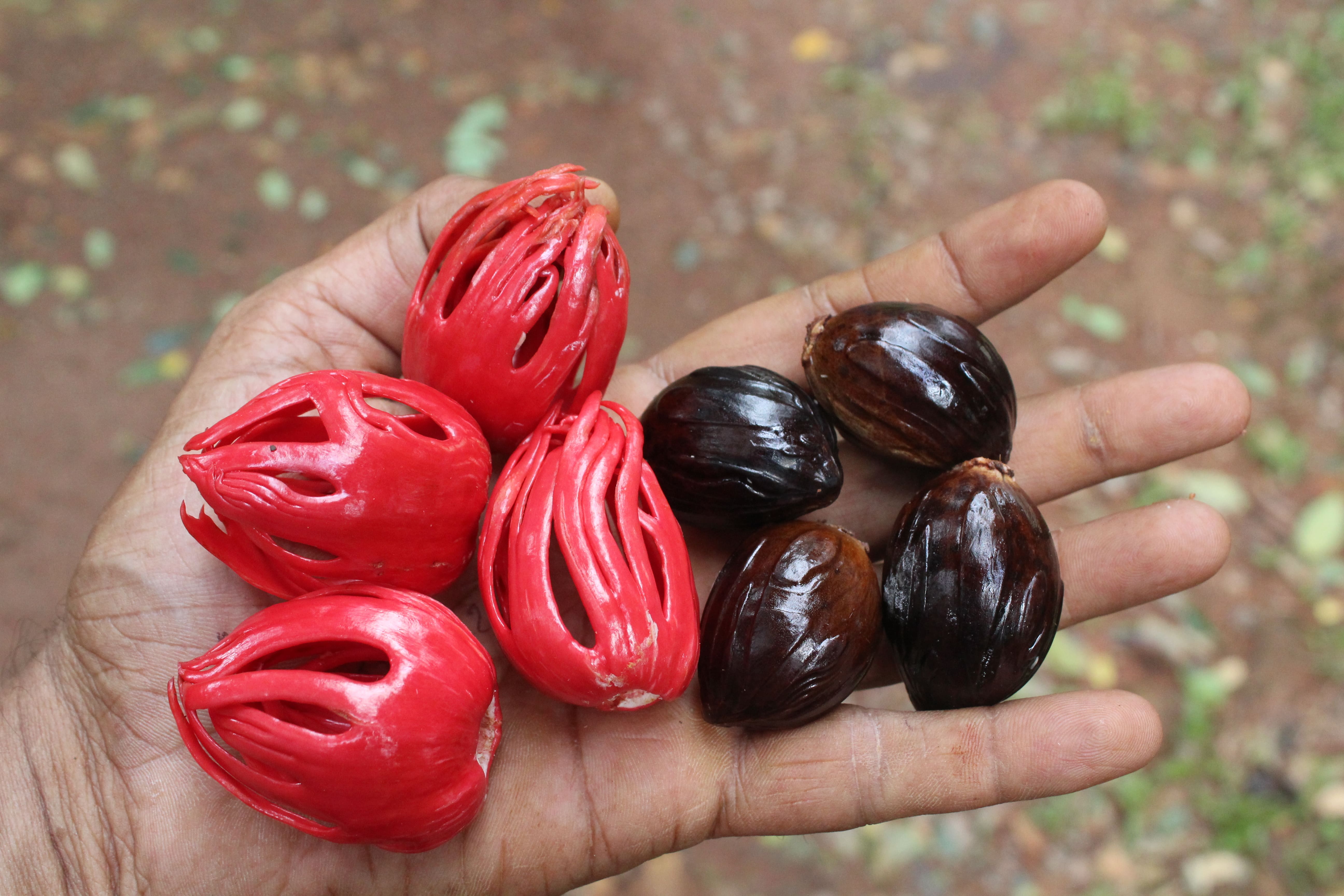
Nutmeg
Myristica fragrans Houtt.
Nutmeg is an important commercial spice crop valued for producing two distinct spices — nutmeg, the dried seed kernel, and mace, the dried aril surrounding the seed. Though indigenous to the Maluku Islands, nutmeg is widely cultivated in parts of India, especially in Keralam and Tamil Nadu. In Keralam, districts such as Thrissur, Ernakulam, and Kottayam are major cultivation areas, while in Tamil Nadu, it is grown in Kanyakumari and Tirunelveli districts. Nutmeg and mace are widely used as flavoring agents in food products, confectionery, beverages, medicines, cosmetics, and perfumes. The crop also contributes to farmers' income, employment generation, and the spice export sector, making it economically significant in India's spice industry.
View Details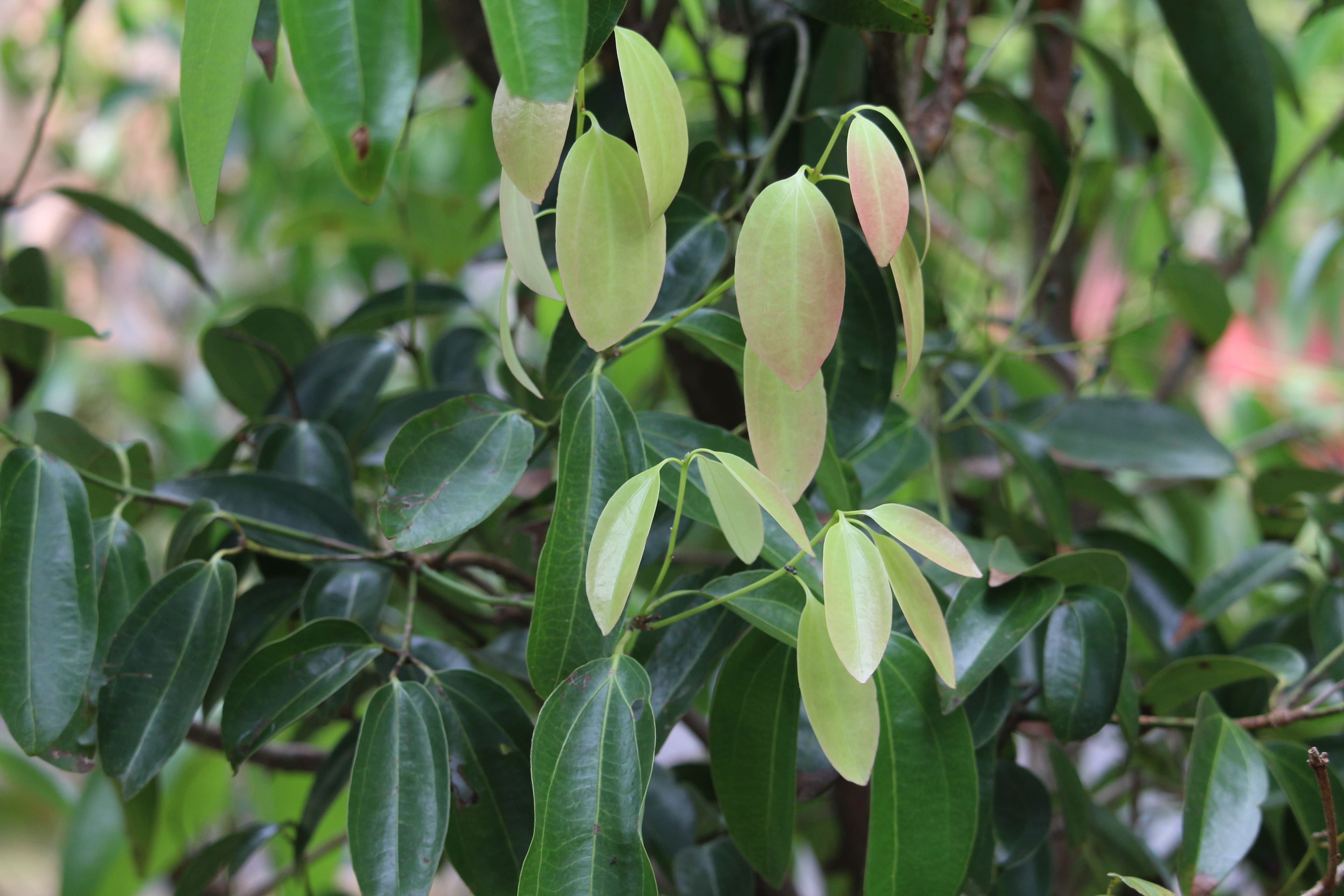
Cinnamon
Cinnamomum verum L.
Cinnamon is one of the oldest and most valuable spices known to mankind and is mainly cultivated for the dried inner bark of the tree. Native to Sri Lanka, cinnamon is cultivated in the lower elevations of the Western Ghats, particularly in Keralam and Tamil Nadu. It is widely used as a flavoring and aromatic agent in food products, confectionery, beverages, and bakery items. Cinnamon also has important medicinal properties and is used in traditional medicine, cosmetics, and perfume industries. The crop contributes to the spice trade, export earnings, and livelihood of farmers engaged in plantation agriculture, making it an economically and commercially important spice crop in India.
View Details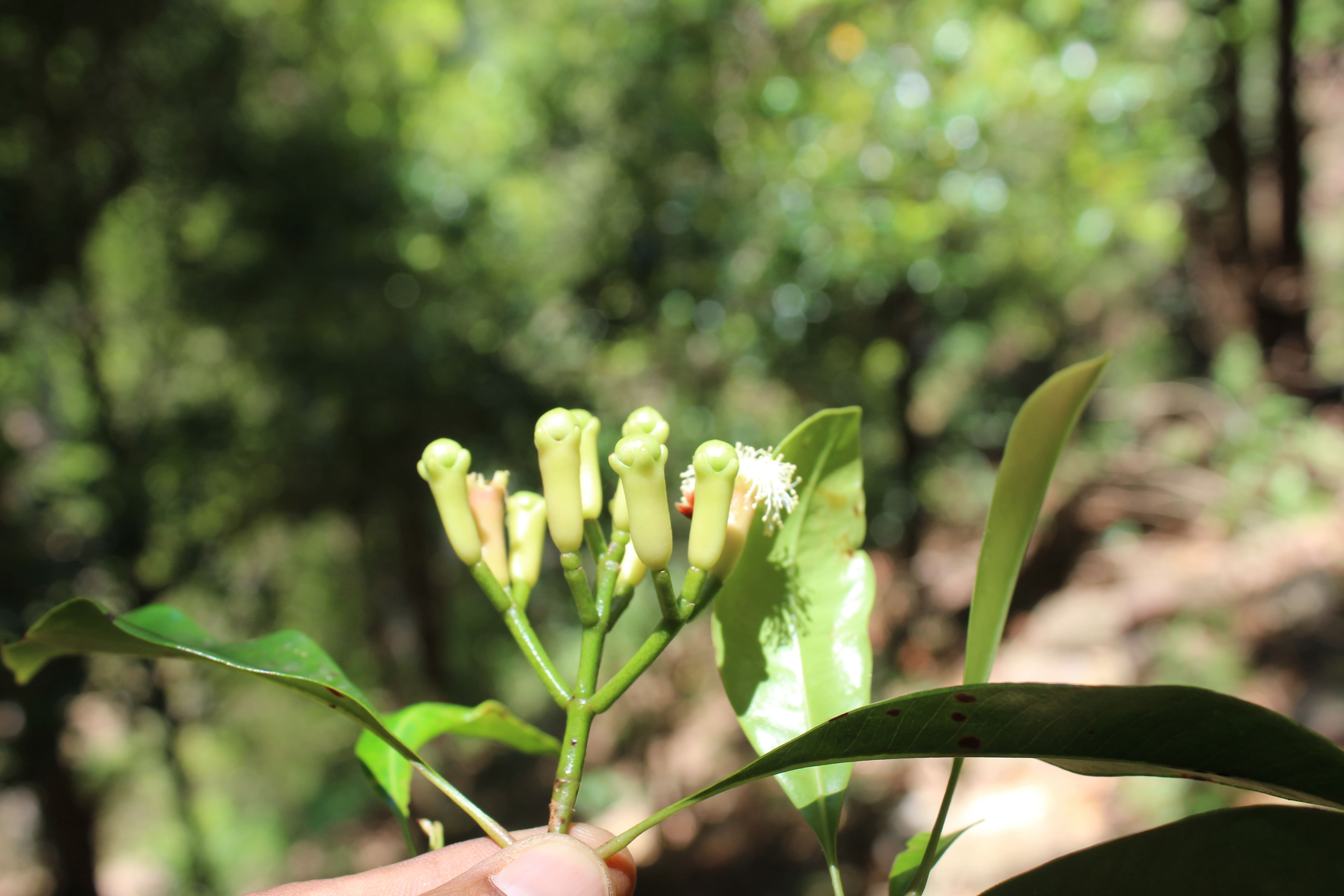
Clove
Syzygium aromaticum L.
Clove is an important commercial spice obtained from the aromatic, dried, unopened flower buds of the clove tree. Major global producers include Indonesia and the islands of Zanzibar and Pemba Island. In India, clove is mainly cultivated in the hilly tracts of Tamil Nadu, Keralam, and Karnataka. Clove is highly valued for its strong aroma and is widely used in food preparation, spice blends, medicines, cosmetics, and perfumery industries. It also possesses medicinal properties, especially antiseptic and analgesic effects, making it important in traditional medicine and dental care. Clove cultivation contributes to farmers' income, employment, and the spice export industry, giving it considerable economic importance in India.
View Details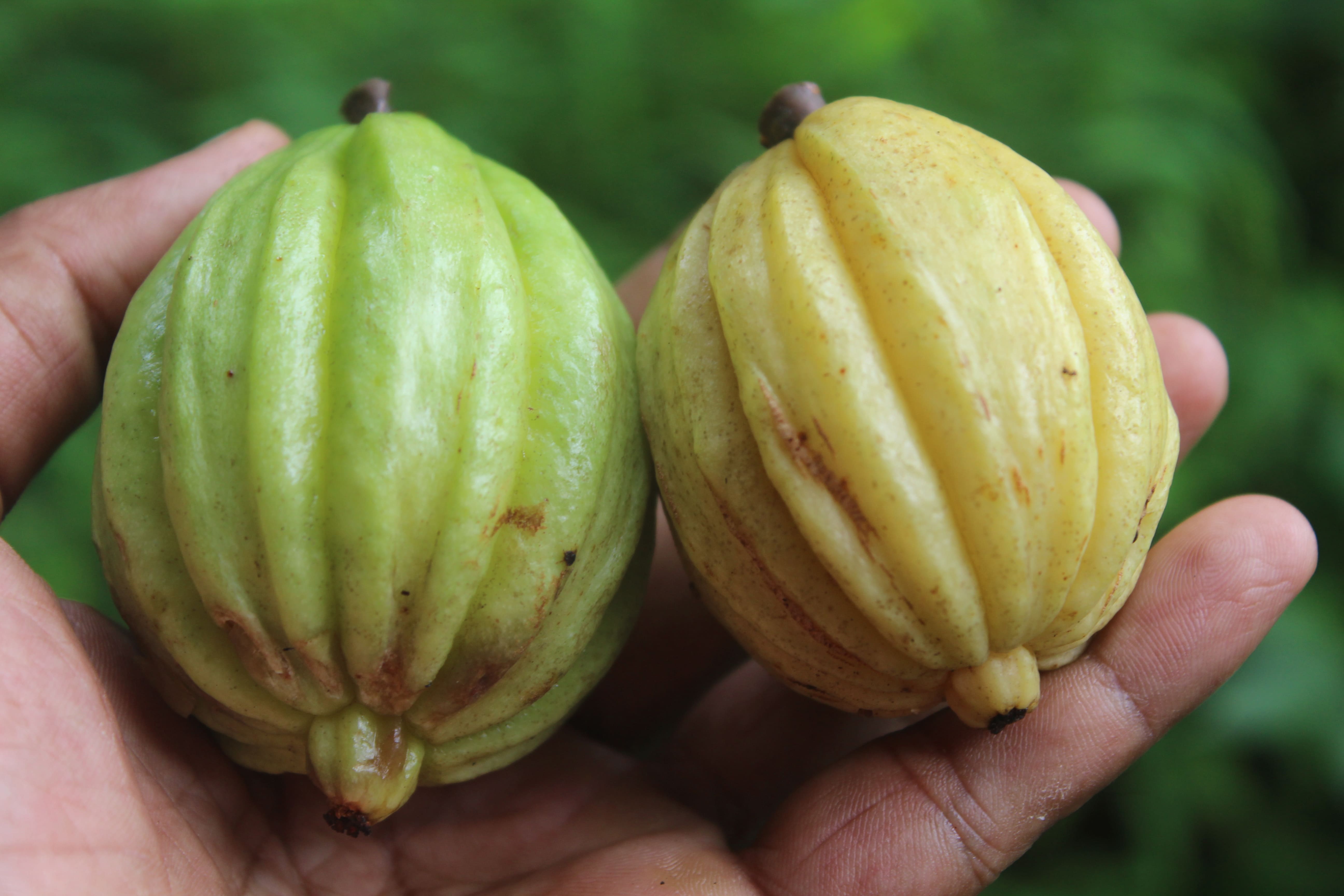
Garcinia
Garcinia cambogia / G. indica
Garcinia is an important spice and medicinal crop commonly cultivated in the tropical regions of India, especially in Keralam, Karnataka, and parts of the Western Ghats. The dried rind of the fruit is widely used as a souring agent in curries, fish preparations, and traditional dishes. Garcinia is valued for its medicinal properties and contains hydroxycitric acid (HCA), which is used in pharmaceutical and health products. It is also used in the preparation of beverages, preservatives, and nutraceutical products. The crop provides additional income to farmers and has growing demand in domestic and export markets because of its culinary and medicinal importance. Common varieties include Malabar tamarind (Garcinia cambogia) and Kokum (G. indica).
View Details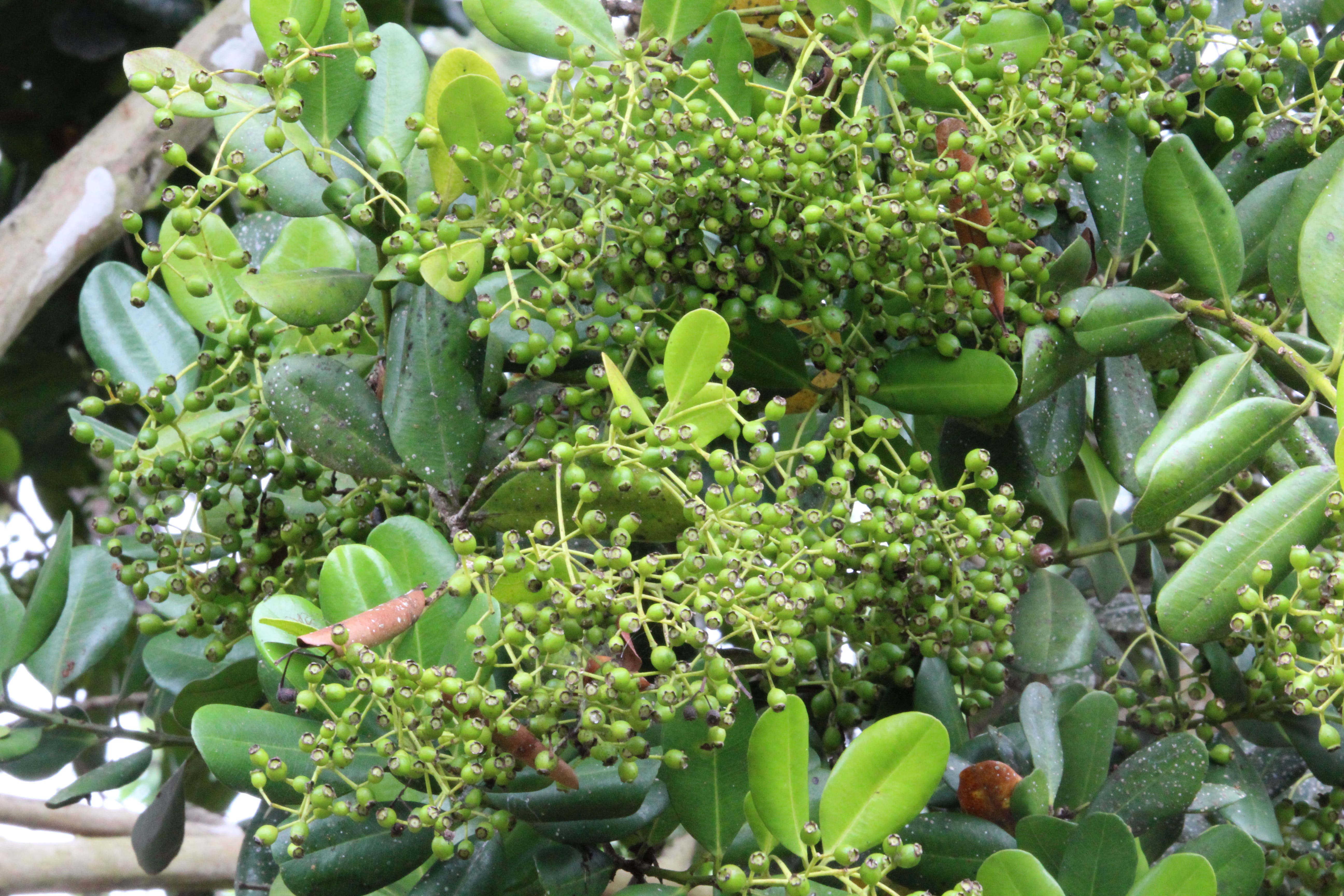
Allspice
Pimenta dioica L. Merr.
Allspice is an aromatic spice obtained from the dried unripe berries of the allspice tree (Pimenta dioica), belonging to the family Myrtaceae. The spice is native to the West Indies and parts of Central America and is popularly known as "Jamaica pepper" because of its extensive cultivation in Jamaica. The flavor of allspice resembles a mixture of cinnamon, clove, nutmeg, and pepper, which gives the spice its name. It is widely used in food seasoning, bakery products, sauces, pickles, confectioneries, beverages, and meat preparations. Allspice also possesses medicinal and aromatic properties and is used in traditional medicine and perfumery industries. Though cultivated on a limited scale in India, it has commercial importance due to its demand in culinary and spice industries.
View Details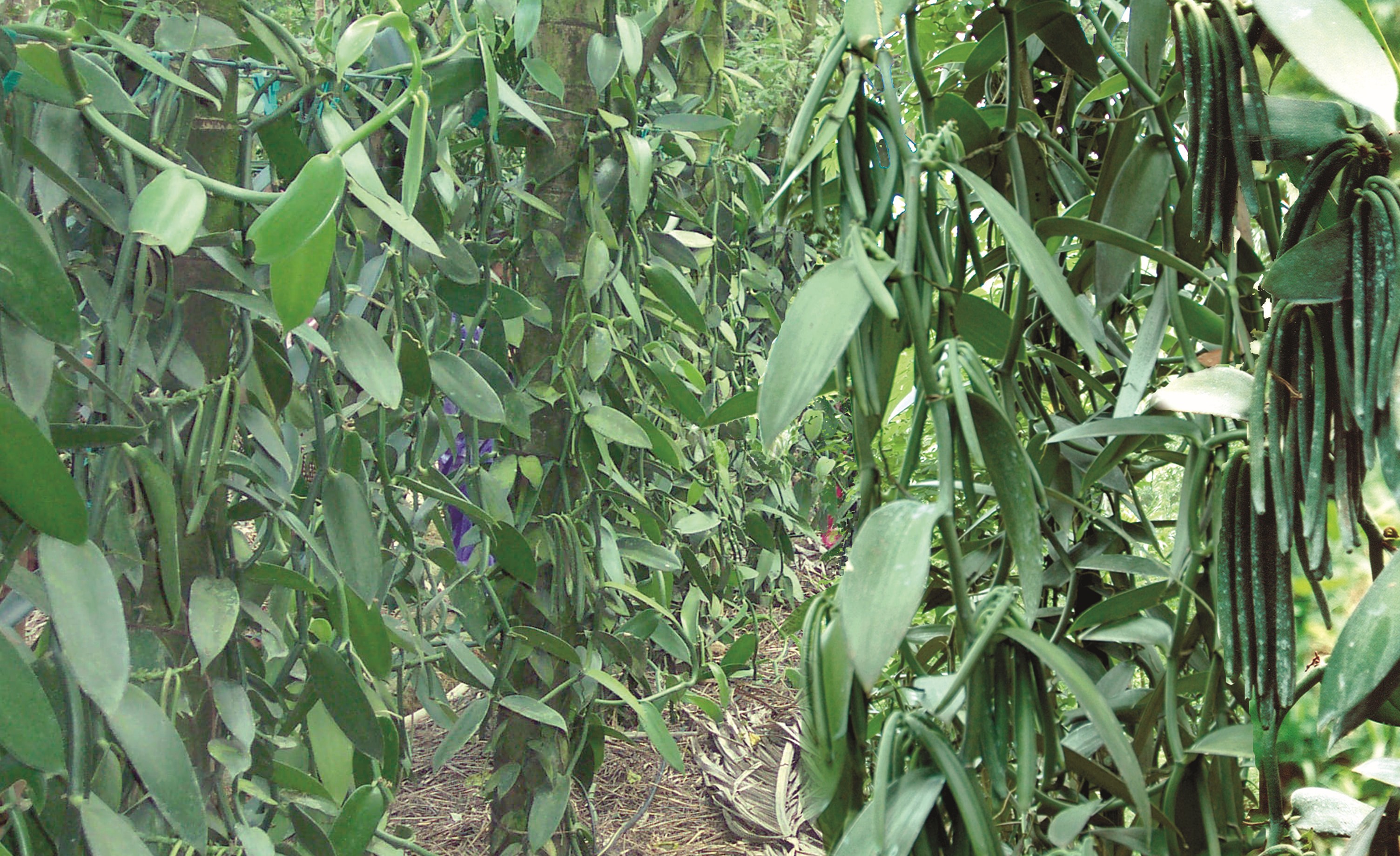
Vanilla
Vanilla planifolia L.
Vanilla is an important high-value spice crop cultivated for its cured pods, which produce natural vanillin used as a flavoring agent. Native to Mexico, vanilla is now grown in several tropical countries, including Indonesia, Madagascar, Comoros, and Réunion. In India, vanilla was introduced in the nineteenth century and is mainly cultivated in Karnataka, which has the largest area under cultivation. Vanilla is widely used in the food, beverage, bakery, confectionery, cosmetic, and pharmaceutical industries because of its pleasant aroma and flavor. Being a high-demand export-oriented crop, vanilla contributes significantly to farmers' income, employment generation, and the spice industry, making it economically important in India.
View Details