
Tamarind
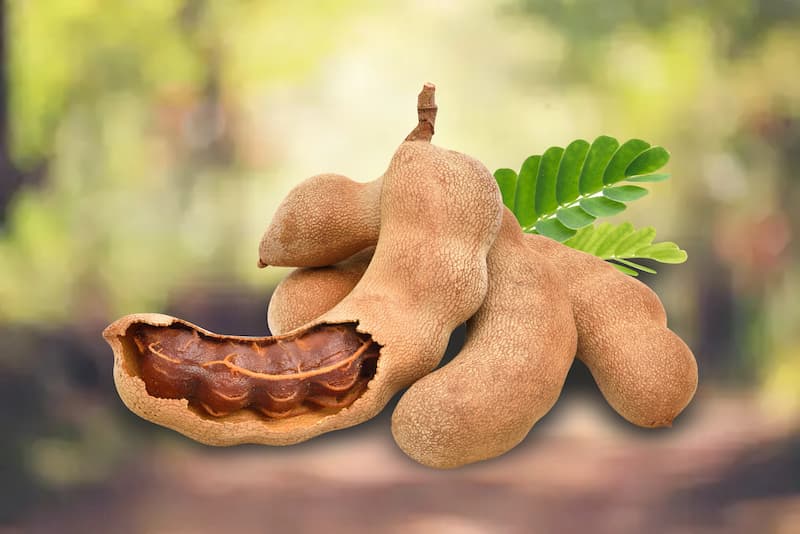
Tamarind (Tamarindus indica L.) is a long-lived tropical tree belonging to the family Fabaceae, cultivated for its edible acidic fruit pulp. Tamarind pulp has a characteristic sweet-sour taste and is extensively used as a souring agent in Indian cuisine. It is an important ingredient in curries, chutneys, sauces, beverages, and traditional spice preparations.
Although native to tropical Africa, tamarind has been cultivated in South and Southeast Asia for thousands of years and is deeply integrated into Indian food culture. The pulp is rich in tartaric acid (8-18%), which gives it the characteristic sour taste, along with sugars that contribute sweetness. India is among the leading producers of tamarind.
Medicinal Value
- Traditionally used to support digestion
- Source of organic acids and antioxidants
- Mild laxative properties
- Used in traditional medicine for fever and bilious disorders
- Anti-inflammatory and antimicrobial activity reported
Industrial Uses
- Key souring agent in South Indian curries and sambar
- Used in chutneys, sauces, and pickles
- Ingredient in beverages and confectionery
- Tamarind seed polysaccharide used as food additive
- Industrial pectin and gelling agent source
Cultivation
- Long-lived tropical tree (up to 200 years)
- Drought-tolerant; grows in diverse soil types
- Deep taproot system, minimal water requirement
- Andhra Pradesh, Tamil Nadu major producing states
- Pods harvested when fully ripe (December-February)
Active Compounds
- Tartaric acid - primary organic acid (8-18%)
- Malic acid and citric acid
- Sucrose and reducing sugars - sweet taste
- Proanthocyanidins - antioxidant compounds