
Mustard
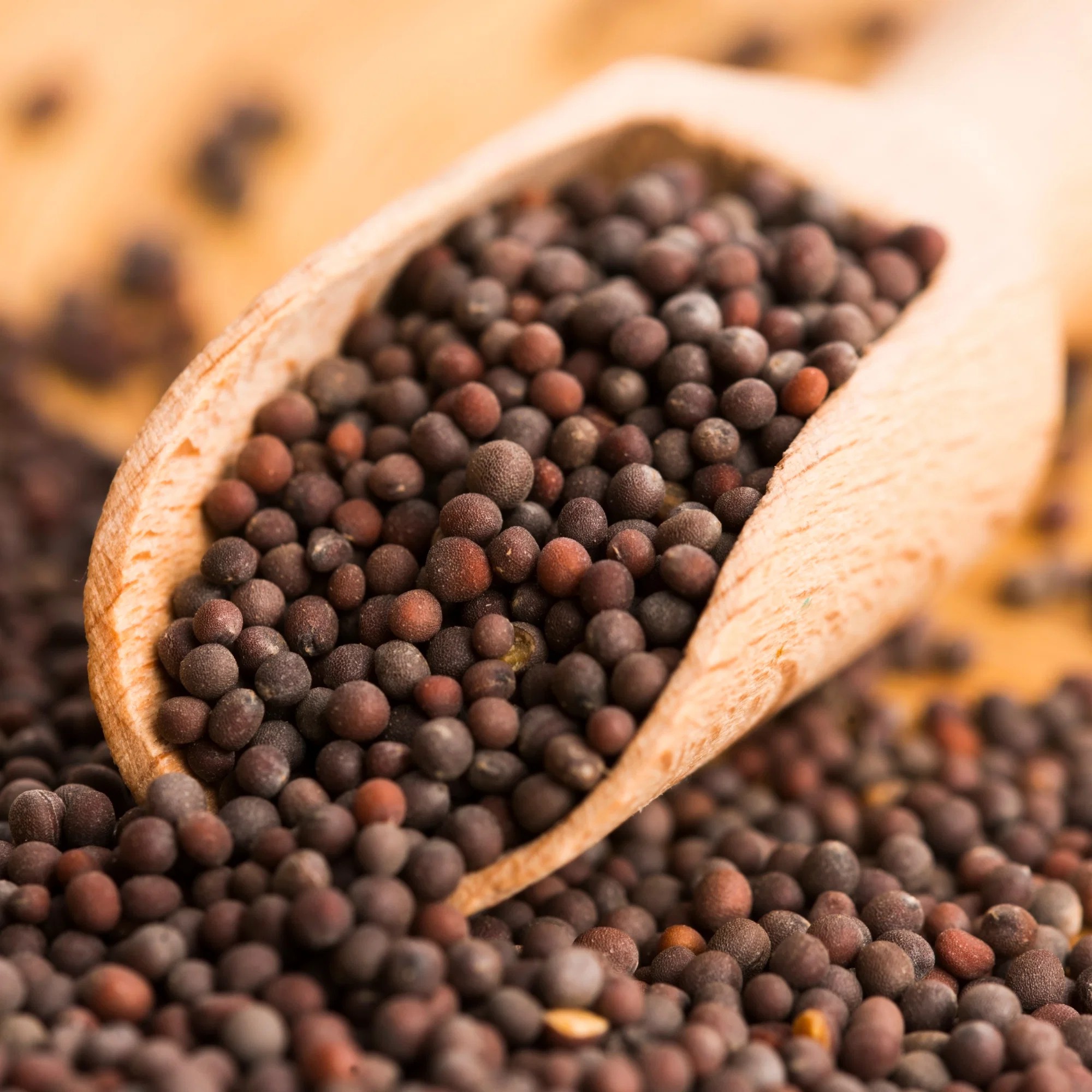
Mustard is an important oilseed and spice crop belonging mainly to the genus Brassica (Family: Brassicaceae). The main cultivated species include Brassica juncea (Indian mustard), Brassica nigra (black mustard), and Brassica alba / Sinapis alba (white mustard). Mustard seeds are widely used in Indian cuisine as a seasoning and are an essential ingredient in many regional preparations.
The seeds are used whole, ground, or processed to obtain mustard oil, which is an important edible and culinary oil in several parts of India, especially in the north and east. Mustard paste and mustard sauce are internationally traded condiments. The characteristic pungency is due to allyl isothiocyanate released when seeds are crushed and moistened.
Medicinal Value
- Contains bioactive compounds with antioxidant properties
- Antimicrobial activity from allyl isothiocyanate
- Traditionally used as a stimulant and rubefacient
- Mustard oil used for muscle pain relief (external)
- Anti-inflammatory properties reported
Industrial Uses
- Mustard oil - major edible oil in North and East India
- Used as tempering spice in Indian cooking
- Mustard paste and sauce for international condiment market
- Used in pickle preparations and spice blends
- Mustard cake as protein-rich animal feed
Cultivation
- Annual cool-season crop, rabi (winter) season in India
- Requires well-drained loamy to sandy loam soils
- Matures in 90-120 days after sowing
- Rajasthan, UP, MP are major producing states
- Seeds harvested when pods turn yellow-brown
Active Compounds
- Allyl isothiocyanate - characteristic pungency
- Glucosinolates (sinigrin, sinalbin) - precursors
- Erucic acid and oleic acid - fixed oils
- Flavonoids and phenolic compounds