
Capsicum annuum L. | Family: Solanaceae | Spice and Vegetable Crop
Chilli
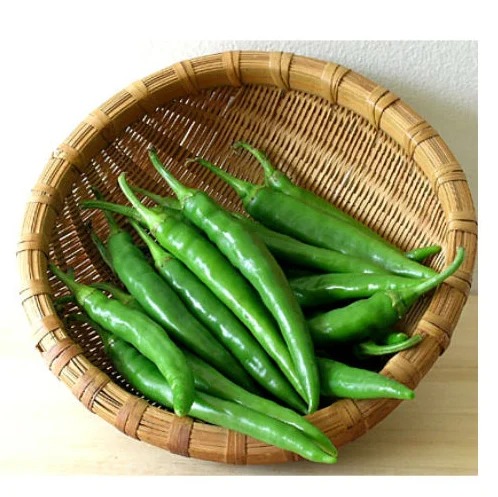
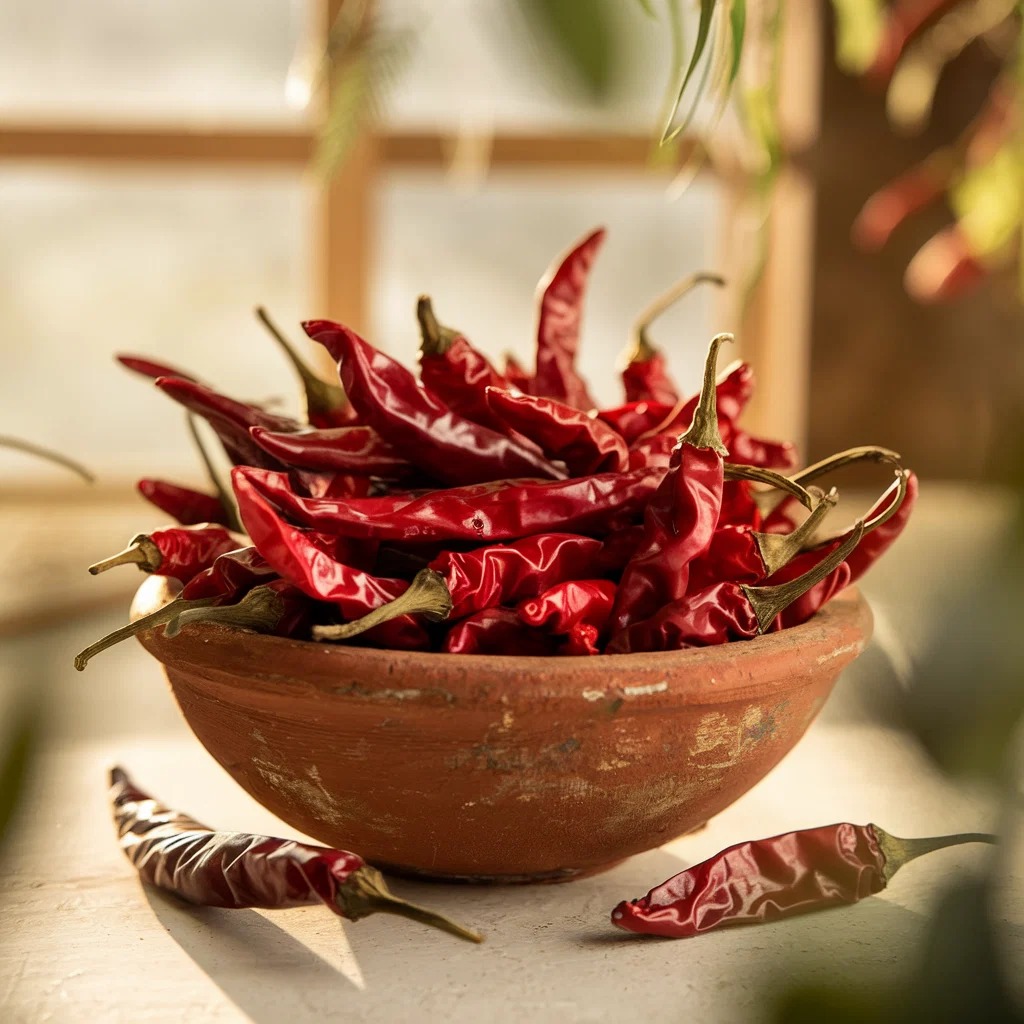
Spice and Vegetable Crop
Native to Americas
Rich in Capsaicin
Rich in Vitamin C and Carotenoids
Chilli (Capsicum annuum L.) is an important spice and vegetable belonging to the family Solanaceae. It is cultivated for its fruits, which are used fresh, dried, or processed. Chilli is widely used in Indian cuisine for its pungency, colour, and flavour. India is the world's largest producer, consumer, and exporter of chilli.
The pungency is mainly due to capsaicin and related capsaicinoids concentrated in the placental tissue. Chilli is rich in vitamin C, carotenoids (responsible for red colour), and other bioactive compounds. Different varieties provide a wide range of heat levels, from mild to extremely hot, measured on the Scoville scale.
Medicinal Value
- Antioxidant properties from vitamin C and carotenoids
- Capsaicin as analgesic in topical pain relief creams
- Traditionally used to support digestion
- Anti-inflammatory and antimicrobial activity
- Capsaicin may boost metabolism and fat burning
Industrial Uses
- Dried red chilli as major export commodity
- Oleoresin and chilli oil for food processing
- Natural red food colourant (paprika oleoresin)
- Capsaicin for pharmaceutical pain relief
- Used in pepper sprays and pest deterrents
Cultivation
- Annual crop, warm and humid climate preferred
- Requires well-drained fertile loamy soils
- Matures in 90-120 days after transplanting
- Andhra Pradesh, Telangana, Karnataka top producers
- Fruits harvested green or at full red ripeness
Active Compounds
- Capsaicin - primary pungent capsaicinoid
- Dihydrocapsaicin - secondary capsaicinoid
- Capsanthin - red carotenoid pigment
- Vitamin C (ascorbic acid) - high content in fresh fruits