
Turmeric
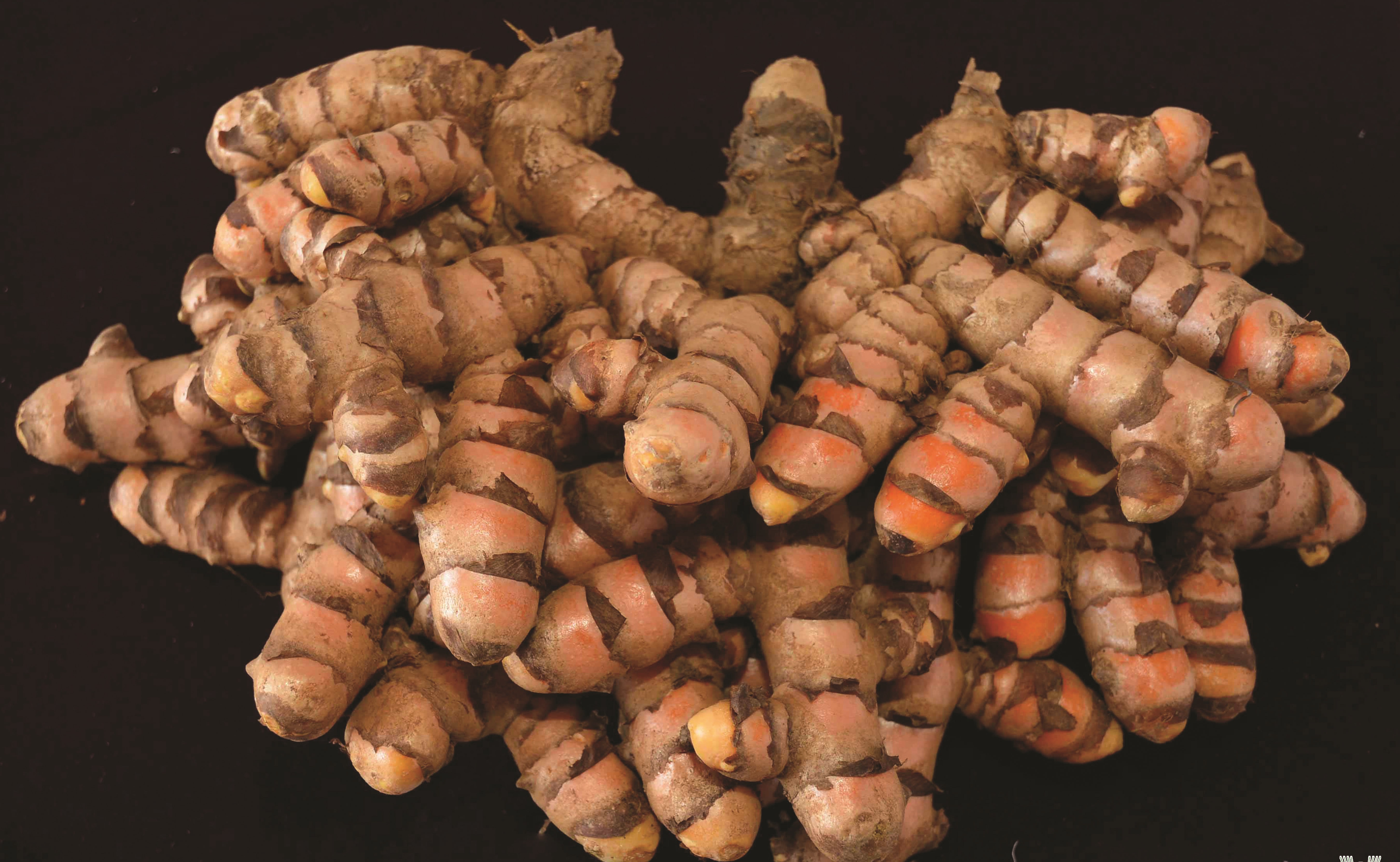
Turmeric (Curcuma longa L.) (Family: Zingiberaceae) is a rhizomatous herbaceous perennial plant native to South and Southeast Asia. It is one of the most important and widely used spices in the world, celebrated both as a culinary spice and a medicinal herb with a history spanning thousands of years. Often called the "Golden Spice," it imparts a characteristic golden-yellow colour due to curcuminoids.
India is the world's largest producer, consumer, and exporter of turmeric. Curcumin, the main bioactive compound, has been extensively studied for its potent anti-inflammatory, antioxidant, antimicrobial, and anticancer properties. Turmeric is an integral part of Ayurvedic medicine and is traditionally used in religious ceremonies across South Asia.
Health Benefits
- Powerful anti-inflammatory activity (curcumin)
- Strong antioxidant properties
- Antimicrobial and wound healing properties
- Potential anticancer activity
- Supports liver health and aids digestion
Industrial Uses
- Natural food colourant (E100 in EU)
- Curcumin extraction for pharmaceuticals
- Cosmetics, skin care, and beauty products
- Textile dyeing (natural dye)
- Oleoresin and essential oil production
Cultivation
- Grown from rhizome pieces in tropical conditions
- Requires well-drained loamy or clay loam soils
- Warm, humid climate (20-30 deg C) needed
- Harvested 7-9 months after planting
- Andhra Pradesh, Tamil Nadu, Maharashtra major producers
Active Compounds
- Curcumin - primary bioactive compound (2-5%)
- Demethoxycurcumin and bisdemethoxycurcumin
- Turmerone - major volatile oil component
- Atlantone and zingiberene - aroma compounds