
Vanilla
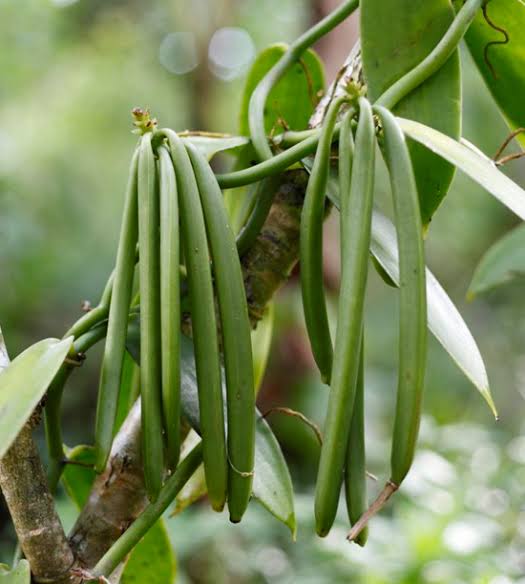
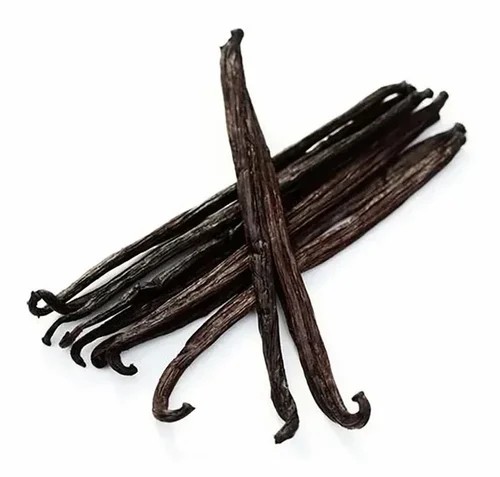
Vanilla (Vanilla planifolia Andrews) (Family: Orchidaceae) is the only edible orchid fruit and is the world's second most expensive spice after saffron. Native to Mexico, vanilla is now cultivated in tropical regions worldwide. The beans (pods) undergo a complex curing process to develop the characteristic flavour and aroma attributed to vanillin.
Vanilla is grown as a climbing vine and requires hand pollination in most cultivation regions outside its native Mexico (where it is pollinated by native bees and hummingbirds). India cultivates vanilla in Kerala and Karnataka. The crop demands meticulous post-harvest curing over several months to produce the prized cured beans used in food and flavouring industries worldwide.
Health Benefits
- Antioxidant properties from vanillin and phenolics
- Anti-inflammatory activity
- Mood-enhancing and calming aroma
- Antimicrobial properties in essential oil
- Traditional use as aphrodisiac and nerve tonic
Industrial Uses
- World's most popular food flavouring (ice cream, baking)
- Used in premium perfumery and cosmetics
- Pharmaceutical preparations as flavour masking
- Vanillin production (natural and synthetic)
- Aromatherapy and essential oil blends
Cultivation
- Grown as a vine climbing on support trees or poles
- Requires humid tropical climate (21-32 deg C)
- Hand pollination required outside native range
- Pods harvested 9 months after pollination
- Extensive curing process takes 3-6 months
Active Compounds
- Vanillin - primary flavour compound (1.5-2.5%)
- p-Hydroxybenzaldehyde - secondary aroma
- Vanillic acid and 4-hydroxybenzaldehyde
- Glucovanillin - precursor converted during curing