
Zingiber officinale | Family: Zingiberaceae | Rhizome Spice
Ginger
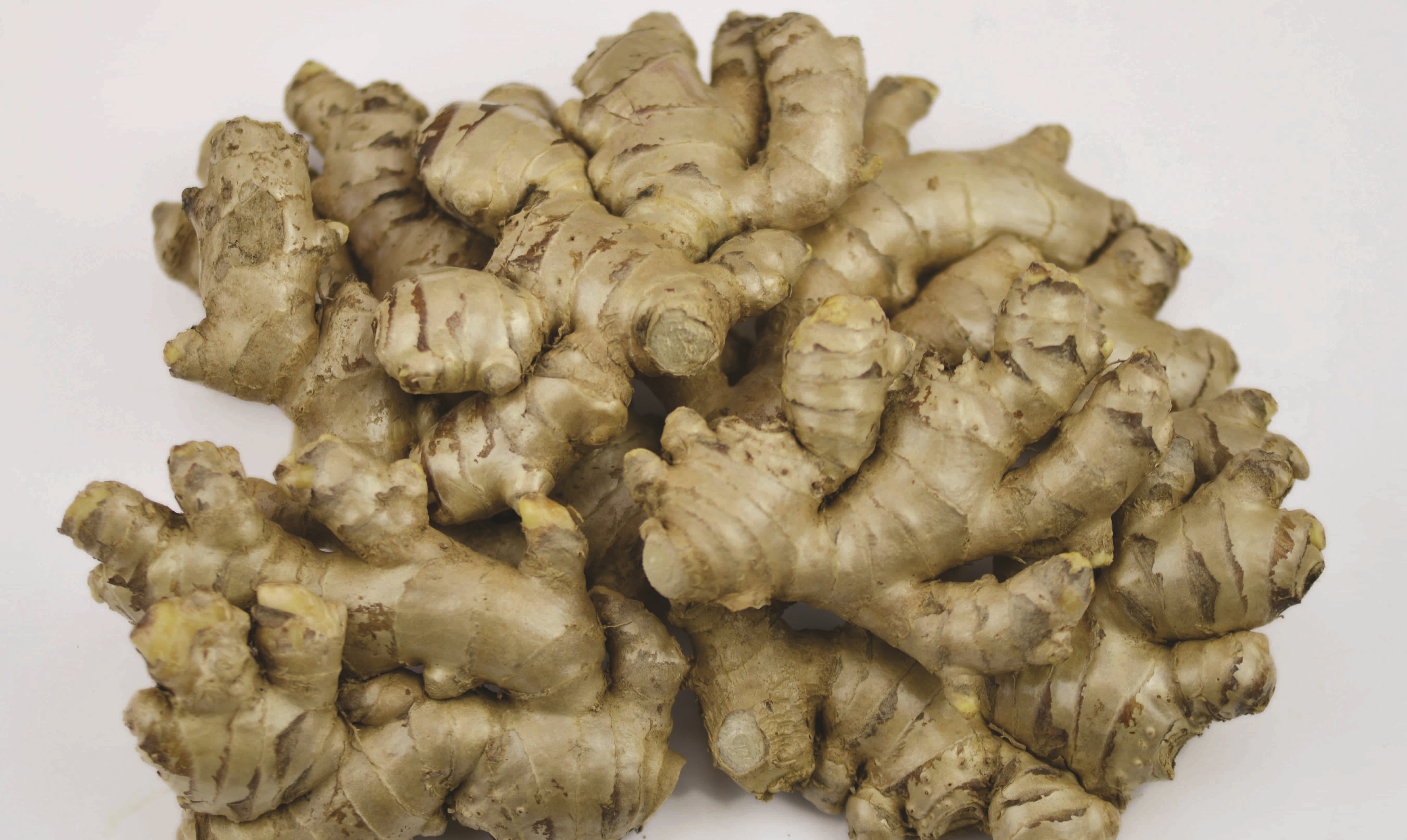
Rhizome Spice
Native to Tropical Asia
Rich in Gingerol
Medicinal Importance
Ginger (Zingiber officinale Roscoe) (Family: Zingiberaceae) is a tropical crop and the most widely used spice and condiment across the globe. Ginger is used both as a fresh spice and in its dried, powdered form as a condiment for flavouring food products. It is an important foreign exchange earner for India.
Ginger is also well-known for its medicinal properties. The pungency of ginger is due to non-volatile compounds such as gingerols and shogaols, while the aroma is imparted by volatile compounds. Apart from its use as a spice, it is used in the preparation of ginger oil, oleoresin, confectionery, soft drinks, and medicine.
Health Benefits
- Relieves nausea, vomiting, and morning sickness
- Anti-inflammatory and analgesic properties
- Aids digestion and reduces bloating
- Boosts immune system function
- May help lower blood sugar and cholesterol
Industrial Uses
- Ginger oil and oleoresin extraction
- Used in confectionery and soft drinks
- Pharmaceutical and nutraceutical preparations
- Ginger ale, ginger beer, and health beverages
- Preserved ginger and ginger candy production
Cultivation
- Grown from rhizome pieces (seed rhizomes)
- Requires warm and humid climate (25-30 deg C)
- Well-drained loamy soils with good organic matter
- Harvested 8-9 months after planting
- Kerala, Karnataka, and NE India are major producers
Active Compounds
- Gingerols - major pungent compounds (fresh)
- Shogaols - formed from gingerols on drying
- Zingerone - milder pungency in cooked ginger
- Volatile oils - zingiberene, bisabolene