
Garlic
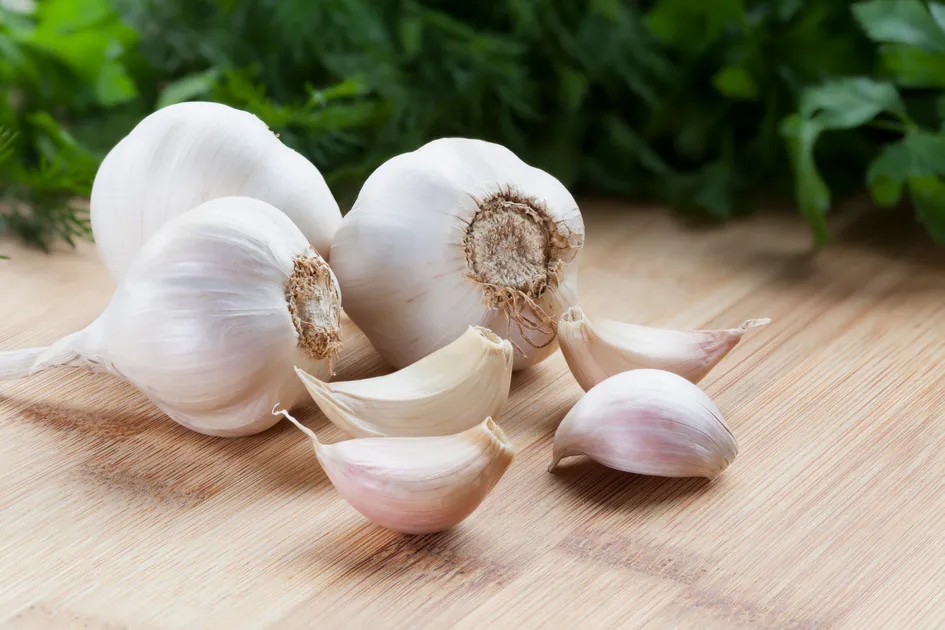
Garlic (Allium sativum L.) is a bulbous plant belonging to the family Amaryllidaceae. The underground bulb consists of several individual cloves enclosed in a papery covering. Garlic is widely used as a spice, condiment, and flavouring ingredient across virtually all world cuisines. It is extensively used in curries, chutneys, pickles, sauces, and spice preparations in Indian cooking.
Garlic contains sulphur compounds, particularly allicin (diallyl thiosulfinate), which is released when the cloves are crushed or chopped and is responsible for its characteristic pungent aroma and powerful bioactivity. India is one of the world's leading producers of garlic, with Madhya Pradesh, Rajasthan, and Gujarat as major producing states.
Medicinal Value
- Powerful antimicrobial and antifungal properties (allicin)
- Antioxidant activity from organosulphur compounds
- Supports cardiovascular health - lowers blood pressure
- May reduce LDL cholesterol levels
- Anti-inflammatory and immune-boosting properties
Industrial Uses
- Fresh, dried, and powdered garlic in food processing
- Garlic oil and oleoresin for flavouring
- Pickled garlic as a condiment product
- Garlic supplements for nutraceutical market
- Natural antimicrobial in food preservation
Cultivation
- Cool-season bulbous crop, grown from cloves
- Requires well-drained fertile loamy soils
- Matures in 120-150 days after planting
- MP, Rajasthan, Gujarat major producing states
- Harvested when leaves begin to turn yellow
Active Compounds
- Allicin - primary bioactive sulphur compound
- Alliin - precursor converted to allicin on crushing
- Diallyl disulphide - anticancer activity
- Ajoene - antiplatelet and antifungal compound