
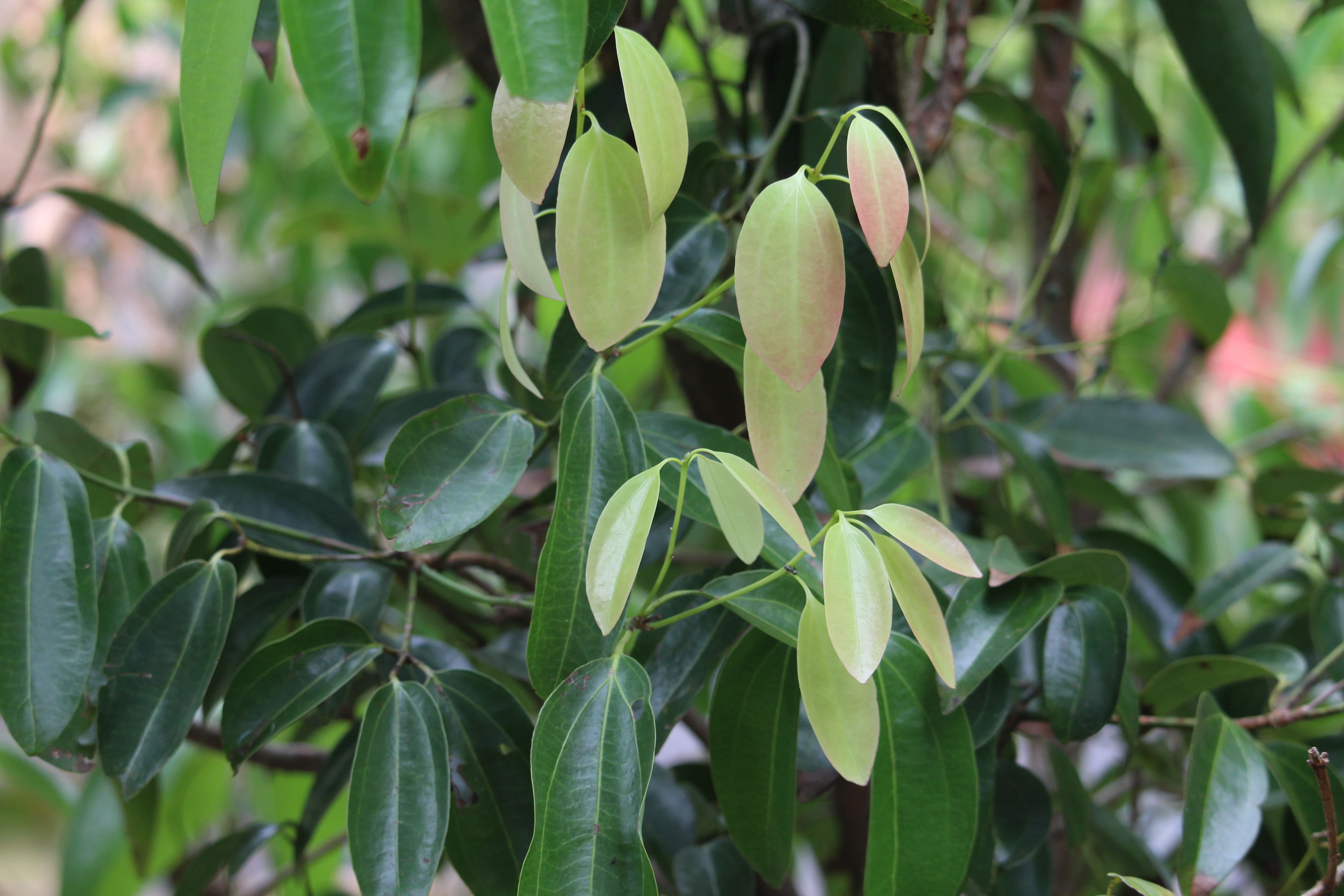
Cinnamomum verum | Family: Lauraceae | True Cinnamon
Cinnamon
Bark Spice
Native to Sri Lanka
Rich in Cinnamaldehyde
Premium Spice
Cinnamon (Cinnamomum verum J.Presl, formerly C. zeylanicum) (Family: Lauraceae) is one of the oldest and most prized spices in the world. The inner bark of this tropical tree is dried to form quills (rolls), sticks, and powder. It is native to Sri Lanka and also cultivated in parts of South India including Kerala.
Cinnamaldehyde, the major component of cinnamon essential oil, gives cinnamon its distinctive warm, sweet aroma and flavour. Cinnamon has been used for centuries in traditional medicine and is now gaining renewed scientific interest for its potential health benefits, including blood sugar regulation and antimicrobial activity.
Health Benefits
- Helps regulate blood sugar levels
- Strong antimicrobial and antifungal properties
- Anti-inflammatory and antioxidant activity
- May lower cholesterol and triglycerides
- Used in Ayurveda for digestion and respiratory ailments
Industrial Uses
- Culinary spice in baking, beverages, and confectionery
- Essential oil used in perfumery and cosmetics
- Pharmaceutical preparations as antimicrobial
- Natural food preservative
- Dental care products (toothpaste, mouthwash)
Cultivation
- Tropical evergreen tree grown in hot, humid conditions
- Coppiced at ground level to encourage new shoots
- Inner bark stripped and dried into quills
- Kerala, Tamil Nadu cultivate in India
- First harvest typically after 2-3 years
Active Compounds
- Cinnamaldehyde - major active compound (60-80% of oil)
- Eugenol - antiseptic and analgesic
- Cinnamyl acetate and linalool
- Proanthocyanidins - blood sugar regulation