
Garcinia cambogia | Family: Clusiaceae | Malabar Tamarind / Kudampuli
Garcinia cambogia
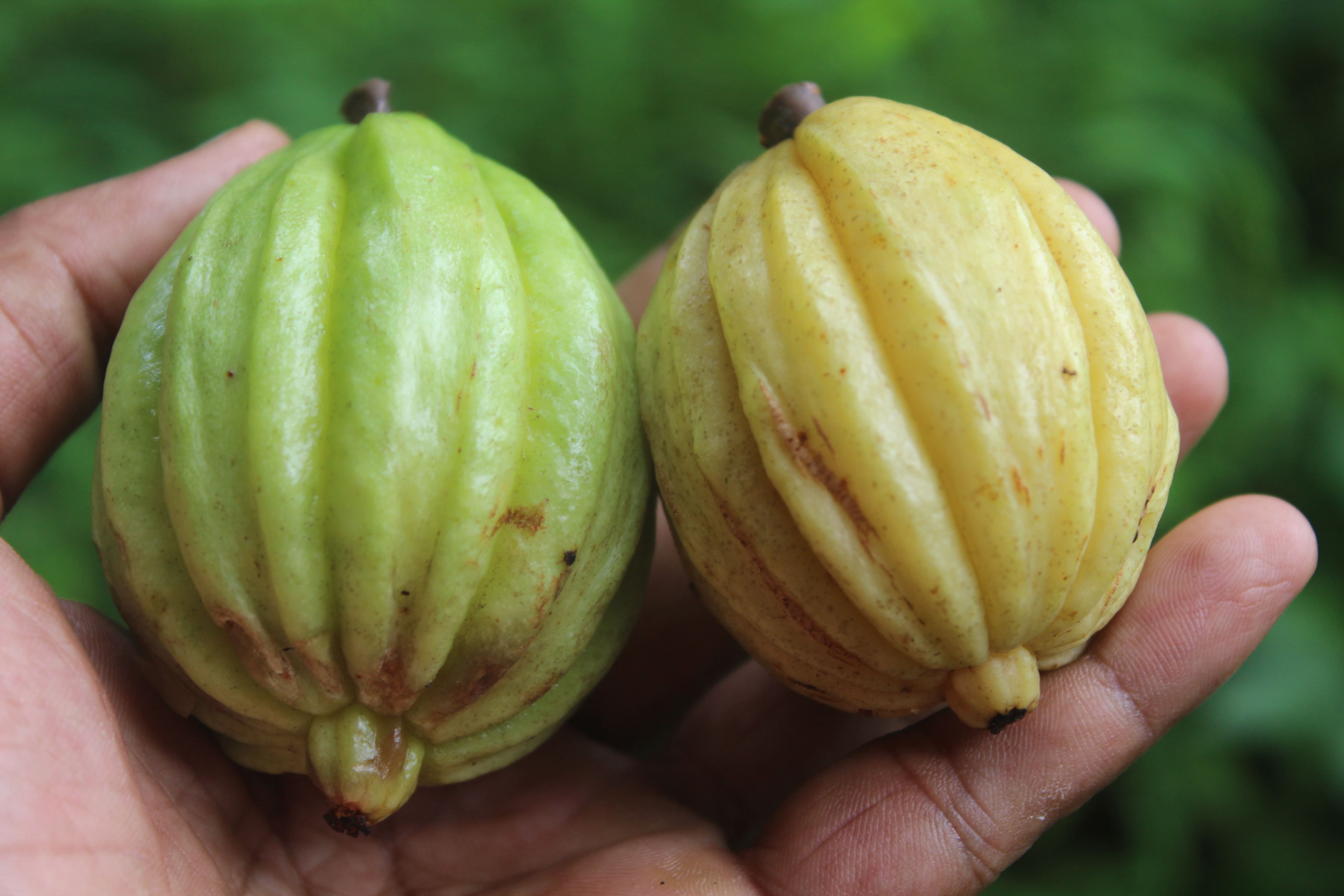
Weight Management Spice
Native to Kerala
Rich in HCA
Traditional Souring Agent
Garcinia cambogia (Gaertn.) Desr. (Family: Clusiaceae), commonly known as Kudampuli or Malabar Tamarind, is a tropical fruit tree native to South and Southeast Asia, particularly Kerala, India. The dried rind of the fruit is widely used as a souring agent in coastal Kerala cuisine, especially in fish curries.
The fruit rind is rich in hydroxycitric acid (HCA), which has garnered significant scientific interest for its potential role in weight management, appetite suppression, and lipid metabolism inhibition. HCA inhibits the enzyme ATP citrate lyase, which plays a key role in fat synthesis. Extracts of Garcinia cambogia are now marketed globally as weight loss supplements.
Health Benefits
- Weight management through HCA (fat synthesis inhibition)
- Appetite suppression and reduced food intake
- Antioxidant and anti-inflammatory properties
- Traditionally used for digestive ailments
- Potential anti-cancer and antimicrobial activity
Industrial Uses
- Dried rind as souring agent in South Indian cooking
- HCA extract for weight loss supplement industry
- Food additive (natural acidulant)
- Nutraceutical and dietary supplement production
- Cosmetic and personal care formulations
Cultivation
- Medium-sized tropical evergreen tree
- Grown in hot, humid conditions with heavy rainfall
- Thrives in laterite and loamy soils of Western Ghats
- Fruits harvested when mature (yellow-orange)
- Rind is sun-dried or smoke-dried for preservation
Active Compounds
- Hydroxycitric acid (HCA) - up to 30% in dried rind
- Xanthones - gambogic acid, garcinol
- Benzophenones - garcinol with anticancer activity
- Organic acids - citric acid, malic acid