
Black Pepper
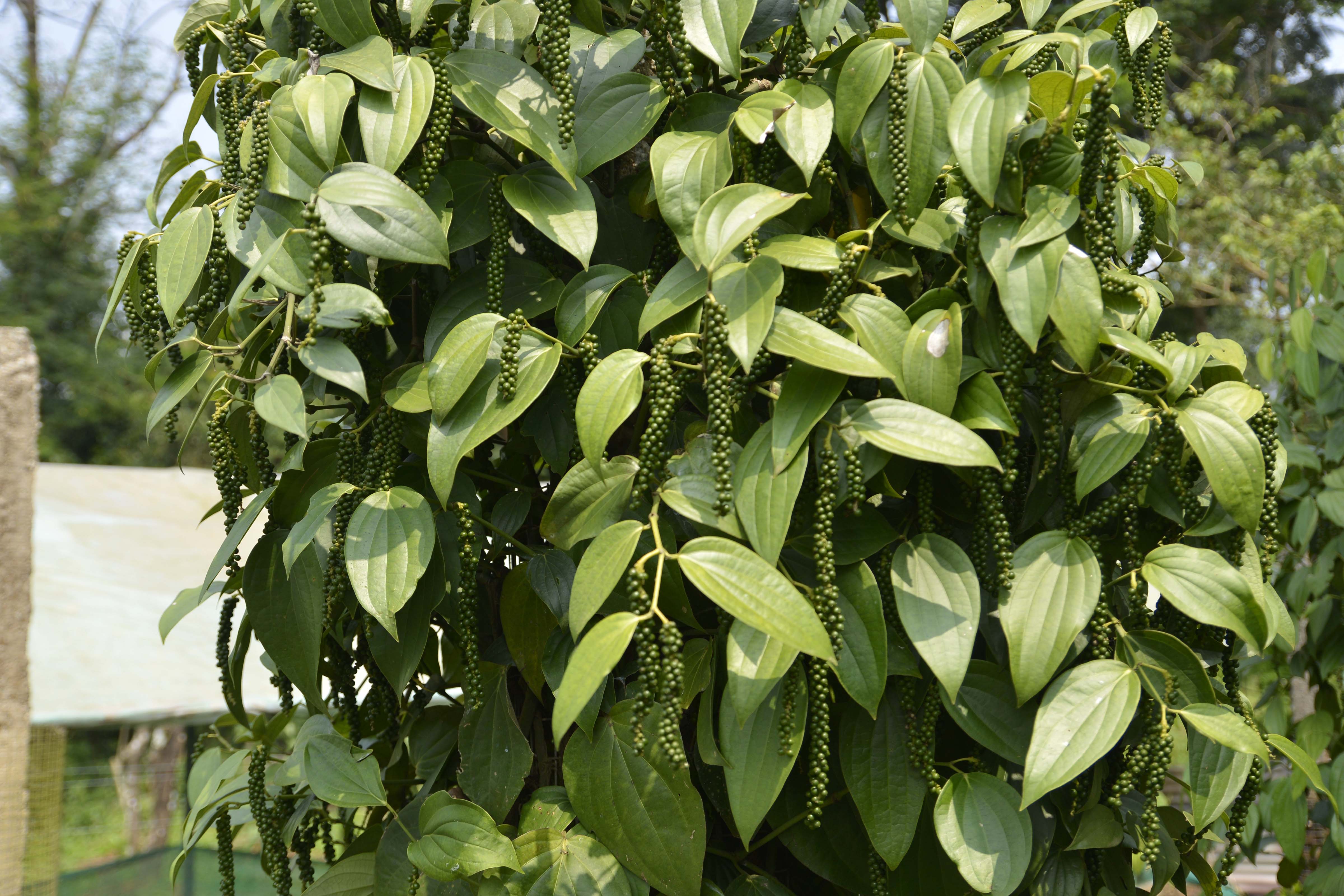
Black pepper (Piper nigrum L.) (Family: Piperaceae) is a perennial vine grown for its berries, extensively used as a spice and in medicine. Regarded as the "King of Spices," black pepper has been incredibly popular since ancient times. Peppercorn is native to the tropical evergreen rain forests of South Indian Kerala state, from where it spread to the rest of the world through Indian and Arab traders.
Pepper fruit, also known as the peppercorn, is actually a berry obtained from the pepper plant. Piperine, the major pungent alkaloid present in black pepper, is responsible for its characteristic pungency and is known for its bioavailability-enhancing properties, particularly its ability to improve the absorption of certain nutrients and bioactive compounds.
Health Benefits
- Enhances digestion and promotes weight loss
- Relieves cough and cold symptoms
- Antibacterial and antioxidant properties
- Anti-cancerous activity reported
- Bioavailability enhancer for nutrients
Industrial Uses
- Widely used in food processing and seasoning
- Raw material for oleoresin and essential oil extraction
- Used in pharmaceutical preparations
- Ingredient in perfumery and cosmetics
- Piperine extracted for nutraceutical supplements
Cultivation
- Thrives in hot and humid tropical climate
- Grows as a climbing vine on support trees or poles
- Planted from cuttings (runner shoots)
- Kerala and Karnataka are major producing states
- Harvested when berries turn from green to yellow-red
Active Compounds
- Piperine - major alkaloid responsible for pungency
- Volatile oils - beta-caryophyllene, limonene, sabinene
- Oleoresin - used in food flavouring
- Antioxidants - flavonoids and phenolic compounds