
Trigonella foenum-graecum L. | Family: Fabaceae | Seed and Leaf Spice
Fenugreek
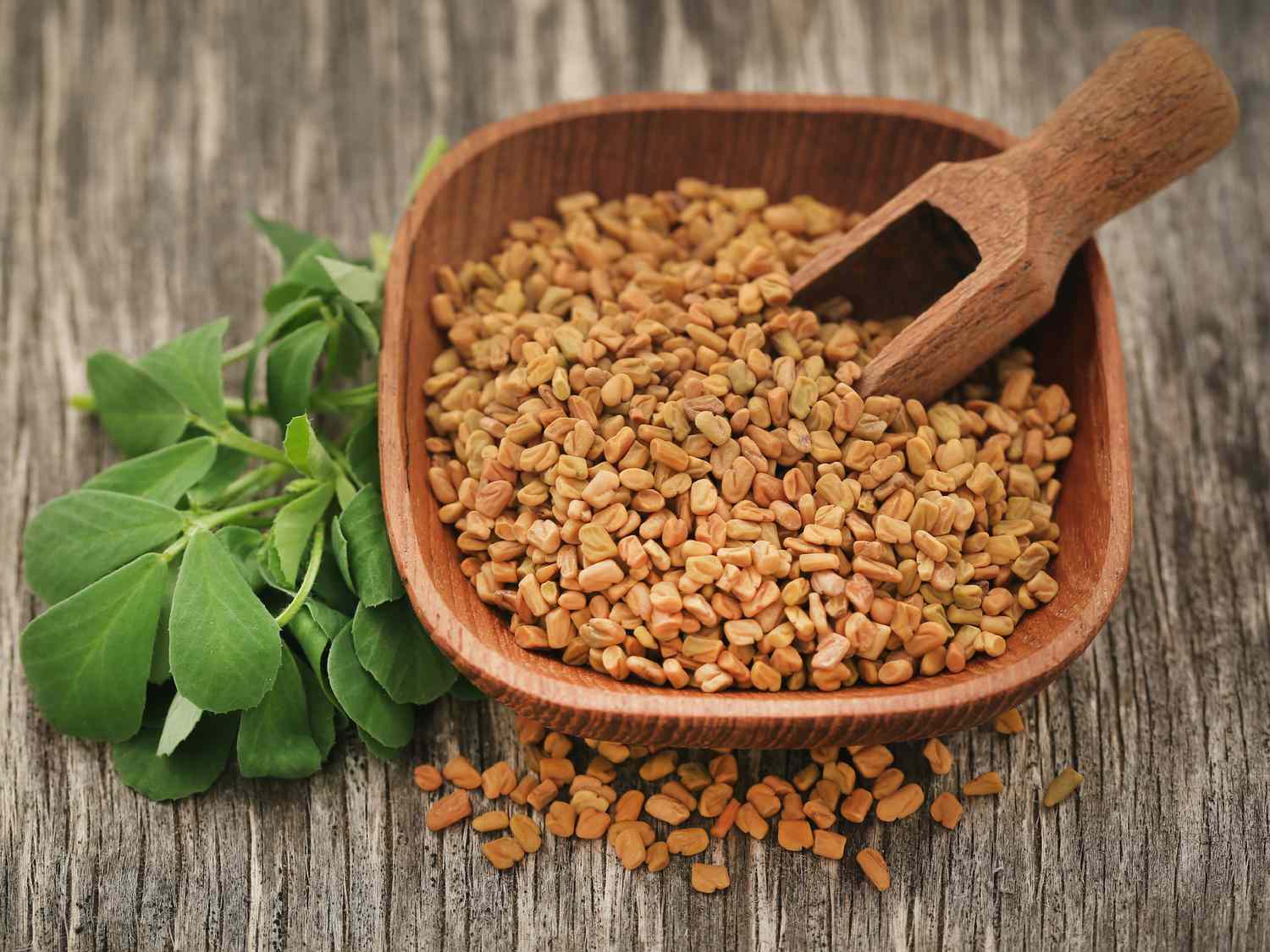
Dual-Use Seeds and Leaves
Native to Mediterranean Region
Rich in Diosgenin
Kasuri Methi - Traditional Spice
Fenugreek (Trigonella foenum-graecum L.) is an annual herb belonging to the family Fabaceae, cultivated for its seeds and leaves. The seeds have a distinctive bitter taste and characteristic aroma and are widely used in Indian spice blends, pickles, and curry preparations.
Fenugreek leaves, commonly known as kasuri methi, are also widely used as a culinary ingredient in Indian cooking. Both the seeds and leaves are important in traditional medicine. India is the world's leading producer of fenugreek, with Rajasthan accounting for the majority of production.
Medicinal Value
- Traditionally used to support digestion
- Helps regulate blood sugar (type 2 diabetes)
- Rich in dietary fibre - supports gut health
- Valued for nutritional and antioxidant properties
- Traditionally used to promote lactation
Industrial Uses
- Key ingredient in Indian pickles and spice blends
- Dried leaves (kasuri methi) in paneer and curry dishes
- Fenugreek extract in nutraceutical supplements
- Diosgenin extraction for steroid synthesis
- Natural food flavouring and maple-like aroma
Cultivation
- Annual herb (20-60 cm tall), cool, dry climate preferred
- Sown in well-drained loamy soils
- Matures in 90-120 days after sowing
- Rajasthan is the largest producing state in India
- Seeds harvested when pods turn yellow-brown
Active Compounds
- Diosgenin - steroidal saponin (precursor for steroids)
- 4-Hydroxyisoleucine - blood sugar regulation
- Trigonelline - alkaloid with hypoglycaemic activity
- Galactomannan - soluble dietary fibre