
Anethum graveolens L. | Family: Apiaceae | Aromatic Herb and Seed Spice
Dill Seed
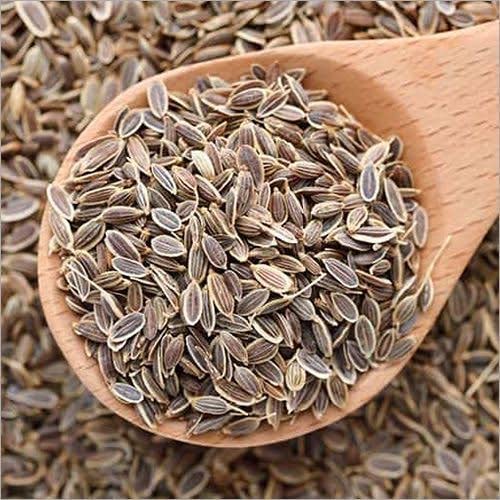
Aromatic Herb and Seed Spice
Native to Mediterranean
Rich in Carvone
Traditional Pickling Spice
Dill (Anethum graveolens L.) is an aromatic herb belonging to the family Apiaceae, cultivated for its leaves and seeds. Dill seeds are the dried fruits of the plant and are used as a spice. They have a warm, aromatic, and slightly bitter flavour distinct from the fresh leaves. Both the seeds and fresh leaves (dill weed) are culinary ingredients with different flavour profiles.
Dill seeds are used in pickles, curries, spice blends, breads, and traditional dishes. They contain essential oils dominated by carvone and limonene. Dill is particularly valued as a pickling herb in Eastern European and Indian traditions. In India, the seeds are used in Ayurvedic preparations and regional cuisines.
Medicinal Value
- Traditionally used to aid digestion
- Relieves digestive discomfort and bloating
- Carminative - reduces flatulence
- Antispasmodic activity on gut muscles
- Antimicrobial properties from essential oil
Industrial Uses
- Pickling agent for cucumbers and vegetables
- Flavouring in breads and bakery products
- Dill oil used in food and beverage flavouring
- Ingredient in spice blends and curry powders
- Pharmaceutical preparations as carminative
Cultivation
- Annual herb (40-60 cm tall)
- Requires cool to moderate climate and well-drained soil
- Matures quickly (50-70 days to flowering)
- Gujarat, Rajasthan, Punjab produce dill in India
- Seeds harvested at full maturity for best oil content
Active Compounds
- Carvone - major essential oil compound (30-50%)
- Limonene - secondary volatile oil
- Dillapiole - phenylpropanoid compound
- Flavonoids - kaempferol, quercetin